

Silver jewelry review evaluation tips: buyer's guide
Evaluating silver jewellery reviews effectively means knowing what separates a genuine, well-crafted piece from a plated imitation dressed up in marketing language. The industry standard for sterling silver is the “925” hallmark, which confirms that 92.5% of the metal is pure silver. Retailers typically apply markups of 200–300% above raw silver value, which means the craftsmanship, design, and authenticity of a piece matter far more than its metal weight alone. These silver jewelry review evaluation tips will help you cut through vague praise, spot red flags, and buy with confidence.
1. How hallmarking and authenticity verification guide your review evaluation
Hallmarks are the most reliable starting point for any silver jewellery review evaluation. A “925” stamp confirms sterling silver content, while the lion passant signifies English silver tested at an assay office. The anchor mark denotes Birmingham assay, and a castle indicates Edinburgh. These marks are not decorative; they carry legal weight under UK hallmarking law.
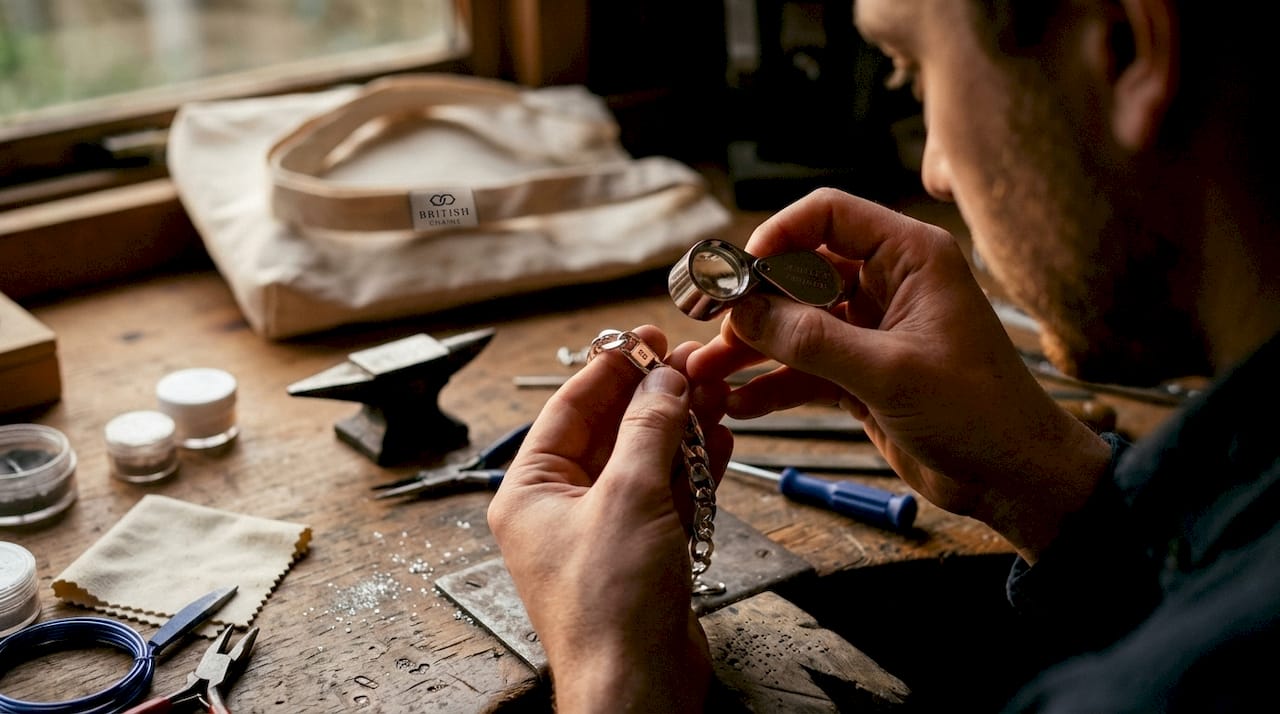
Authentic hallmark stamps show clear, sharp impressions. Counterfeit marks appear blurry, uneven, or inconsistently positioned on the piece. When reading reviews, look for buyers who describe the hallmark’s clarity and placement. A reviewer who mentions a crisp “925” stamp on the clasp or inner band is giving you genuinely useful information.
Modern authentication also uses XRF (X-ray fluorescence) analysis and laser etching, which reputable retailers use to verify purity before sale. Britishchains, for example, sells only hallmarked sterling silver, so buyers can cross-reference review descriptions against this standard.
- Look for reviews that name the specific hallmark (e.g., “925,” lion passant, or assay office mark)
- Dismiss reviews that only say “looks real” without describing the stamp
- Prioritise reviews from verified purchasers who mention physical inspection
Pro Tip: If a review mentions the piece passed a magnet test, take note. Silver is non-magnetic, so a piece that attracts a magnet is not solid silver, regardless of what the listing claims.
2. What craftsmanship and design quality reveal in reviews
Craftsmanship is the factor most buyers underestimate when reading reviews. Quality silver jewellery displays uniform texture and polish without scratches, pitting, or visible tool marks. A reviewer who describes a chain as “smooth and even with no rough edges” is telling you the piece was finished properly.
Weight is another reliable indicator. Solid sterling silver has a satisfying heft. Reviews that describe a piece as “surprisingly light” or “feels hollow” often signal silver-plated construction rather than solid silver. Understanding the difference between plated and solid silver is critical; the sterling silver vs plated distinction affects durability, longevity, and long-term value significantly.
“Overpolishing silver reduces detail sharpness. Some patina or tarnish is a natural sign of age and quality. Collectors value patina as a sign of history; excessive polishing can decrease value in vintage pieces.”
This insight matters when reading reviews of older or artisan pieces. A reviewer complaining about slight tarnish on a vintage sterling piece may not understand that the patina is part of the piece’s character, not a defect. Equally, handcrafted silver costs more because skilled finishing takes time, and reviews that acknowledge this context are more trustworthy than those that simply compare price.
- Polish and finish: Reviews should describe an even, mirror-like or satin surface with no visible seams
- Weight and density: Solid silver feels heavier than plated alternatives of the same size
- Clasp and links: Reviewers who test the clasp mechanism and describe its action give you practical durability data
- Design accuracy: Photos in reviews showing the piece against the product listing image confirm whether the design matches the description
3. How to critically assess the credibility of silver jewellery reviews
Not all reviews carry equal weight. Detailed reviews with photo evidence and verified purchase marks are more trustworthy than vague comments. A review that says “beautiful necklace, love it” tells you nothing about quality, fit, or longevity.
The most useful reviews describe specific experiences over time. A buyer who reports back after six months of daily wear, noting whether the piece tarnished, held its shape, or maintained its clasp tension, gives you far more useful data than a first-day impression. Tarnish behaviour is particularly telling; genuine sterling silver tarnishes slowly and polishes back easily, while plated pieces chip or discolour unevenly.
Pro Tip: Filter reviews by “most recent” and “lowest rated” separately. Low-rated reviews often reveal specific durability or authenticity issues that five-star reviews gloss over. Cross-referencing both gives you a balanced picture.
Here are the key signals that separate credible reviews from noise:
- The reviewer mentions the hallmark or purity stamp by name
- Photos show the actual piece, not stock imagery
- The review describes wear over weeks or months, not just unboxing
- Specific details about weight, clasp quality, or chain link construction appear
- The reviewer notes how the piece responded to cleaning or polishing
- Verified purchase status is confirmed on the platform
Fake or incentivised reviews tend to use superlatives without specifics. Phrases like “absolutely perfect in every way” with no supporting detail are a warning sign. Genuine buyers describe imperfections, even when they are satisfied overall.
4. Which style and personal preference factors should shape how you read reviews
Style preferences filter which reviews are actually relevant to your purchase. A reviewer who wears a curb chain as a statement piece has different expectations from someone who wants a fine rope chain for daily office wear. Reading reviews without accounting for this context leads to poor decisions.
Silver jewellery style and comfort are highly personal, and reviews often reflect lifestyle as much as product quality. A chain that a reviewer describes as “too heavy for everyday wear” may be exactly what you want for a bold weekend look. Conversely, a reviewer who praises a chain’s lightness may be describing a piece that feels insubstantial to someone with a preference for solid, weighty jewellery.
- Intended use: Look for reviews from buyers with similar wear frequency. Daily wear reviews reveal durability; occasional wear reviews focus more on aesthetics
- Sizing and fit: Reviews that mention chain length in relation to neckline or body type give you practical sizing guidance
- Comfort over time: Reviewers who describe how a piece feels after hours of wear, particularly around clasps and links, offer data that product descriptions rarely include
- Aesthetic alignment: If you favour minimalist designs, prioritise reviews from buyers who describe the piece in those terms rather than those seeking bold statement jewellery
When shopping for silver jewellery online, cross-referencing style-specific reviews with detailed product specifications reduces the risk of disappointment. Britishchains provides detailed size and weight information alongside customer reviews, which makes this cross-referencing straightforward. Guides on buying authentic sterling silver online also help you frame what to look for before you even reach the review section.
For buyers interested in artisan or European silver designs, pieces like those from Polcarat Design demonstrate how craftsmanship descriptions in reviews can highlight the difference between mass-produced and handcrafted silver.
Key takeaways
Evaluating silver jewellery reviews well requires checking hallmark specifics, assessing craftsmanship descriptions, verifying review credibility, and matching reviewer context to your own style and wear habits.
| Point | Details |
|---|---|
| Hallmark verification | Look for reviews naming “925,” lion passant, or assay office marks with clear, sharp impressions. |
| Craftsmanship signals | Prioritise reviews describing weight, polish, clasp quality, and finish over vague aesthetic praise. |
| Review credibility | Trust verified purchase reviews with photos, time-based wear reports, and specific detail over superlatives. |
| Style context | Match reviewer lifestyle and wear frequency to your own before treating their verdict as relevant. |
| Plating vs solid silver | Reviews describing unexpected lightness or uneven discolouration often indicate plated rather than solid silver. |
Why most buyers read reviews wrong
The most common mistake I see is treating the star rating as the verdict and skimming the text. Star ratings aggregate wildly different experiences into a single number. A chain that earns four stars from fifty buyers could have ten reviews praising its weight and thirty complaining about tarnish within a month. The number hides the pattern.
What I have found actually works is reading the one-star and two-star reviews first, then the four-star reviews. The lowest ratings reveal the failure modes. The four-star reviews, not the five-star ones, tend to be the most honest. Five-star reviewers are often in the honeymoon phase of ownership. Four-star buyers liked the piece but noticed something worth mentioning.
The other thing buyers consistently miss is the difference between a review about the product and a review about the shopping experience. Delivery speed, packaging quality, and customer service responses are not indicators of silver quality. Filter those out mentally and focus on what the reviewer says about the metal, the finish, and how the piece holds up over time.
My honest recommendation: treat reviews as raw data, not verdicts. Apply the hallmark, craftsmanship, and style filters covered here, and you will extract far more useful information from the same review pool that most buyers skim past.
— British
Britishchains: hallmarked silver you can evaluate with confidence
Britishchains sells only hallmarked sterling silver chains and necklaces, which means every product description gives you a clear baseline to compare against customer reviews. Each piece carries a “925” stamp and meets UK hallmarking standards, so the authenticity checks described in this guide are straightforward to apply.
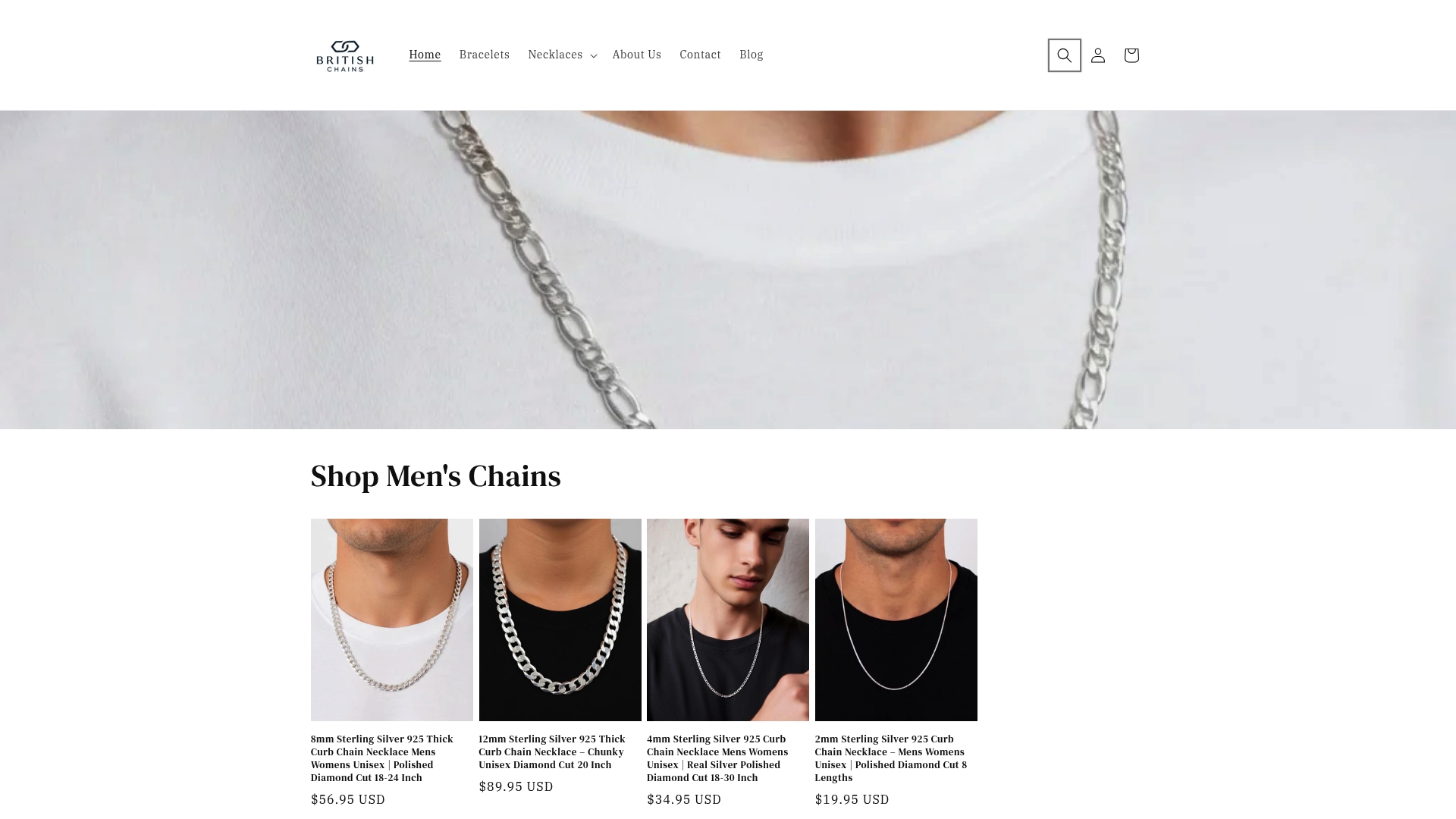
The 2mm sterling silver curb chain is one of the most reviewed pieces in the Britishchains catalogue, with buyers consistently noting the clarity of the hallmark, the quality of the diamond-cut polish, and the durability of the clasp. The 3mm twisted rope chain draws similar feedback, particularly around weight and finish consistency. If you want to practise applying these review evaluation criteria, both pieces offer a rich set of verified customer reviews to work through.
FAQ
What does “925” mean on silver jewellery?
“925” is the hallmark for sterling silver, confirming the piece contains 92.5% pure silver. It is the industry standard purity mark and a key indicator of authenticity.
How can I tell if a silver jewellery review is trustworthy?
Trustworthy reviews include specific details such as hallmark descriptions, wear duration, and photo evidence. Vague praise without supporting detail is a common sign of an unreliable or incentivised review.
What physical tests do reviewers mention to verify silver authenticity?
The magnet test is the most commonly cited. Genuine silver is non-magnetic, so a piece that attracts a magnet is not solid silver. Acid testing with nitric acid is a more definitive method, turning real silver creamy white.
Should I be concerned if a review mentions tarnishing?
Not necessarily. Sterling silver tarnishes naturally over time and polishes back easily. Tarnish that appears within days or discolours unevenly is more likely a sign of plating rather than solid silver.
How do retail markups affect the value of silver jewellery?
Retailers typically mark up silver jewellery by 200–300% above raw silver value. This means jewellery is best purchased for its design and craftsmanship rather than as a metal investment.


