

What is value for money jewellery: a buyer's guide
Value for money jewellery is defined by how well a piece’s materials, craftsmanship, and durability match its price and intended use. The term “value for money” is the everyday phrase most buyers use, but the industry standard concept is cost-per-wear value, which measures how much enjoyment and use you extract from a piece relative to what you paid. When you understand what is value for money jewellery, you stop paying for brand prestige and start paying for lasting quality. Hallmark stamps, metal purity grades, and transparent return policies are the clearest signals that a piece delivers genuine worth.
What is value for money jewellery, and what factors shape it?
Value for money jewellery balances four layers: material cost, craftsmanship, brand premium, and retail markup. Branding and retail markup can inflate jewellery prices by 30–50% with no increase in material content. That means a significant portion of what you pay at a high-street retailer may cover advertising, packaging, and logo recognition rather than the silver or gold in the piece itself.
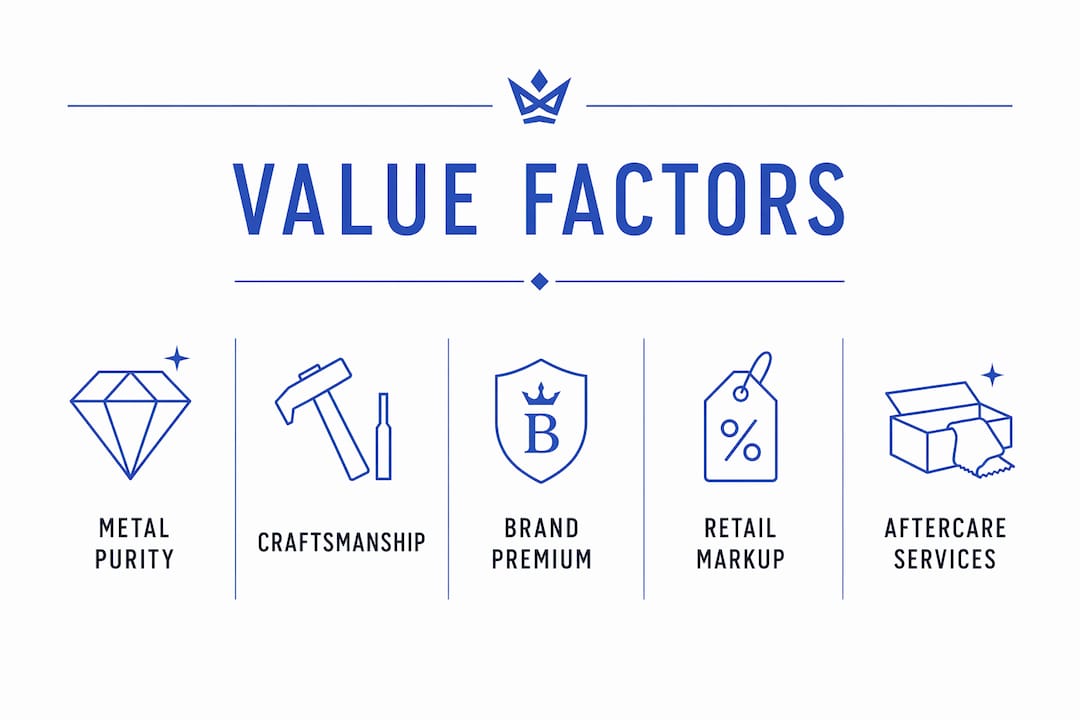
Metal purity is the foundation of intrinsic value. Sterling silver carries a .925 hallmark, meaning 92.5% pure silver. Gold at 14K is stamped 585, indicating 58.5% gold content. These numbers are not marketing claims. They are regulated standards you can verify independently.
Craftsmanship adds a separate layer of value beyond raw material weight. Fine finishing includes polished edges, aligned prongs, and secure settings that affect how a piece wears over months and years. A poorly finished chain may look identical to a well-made one in a photograph, but it will snag, discolour, or break far sooner.
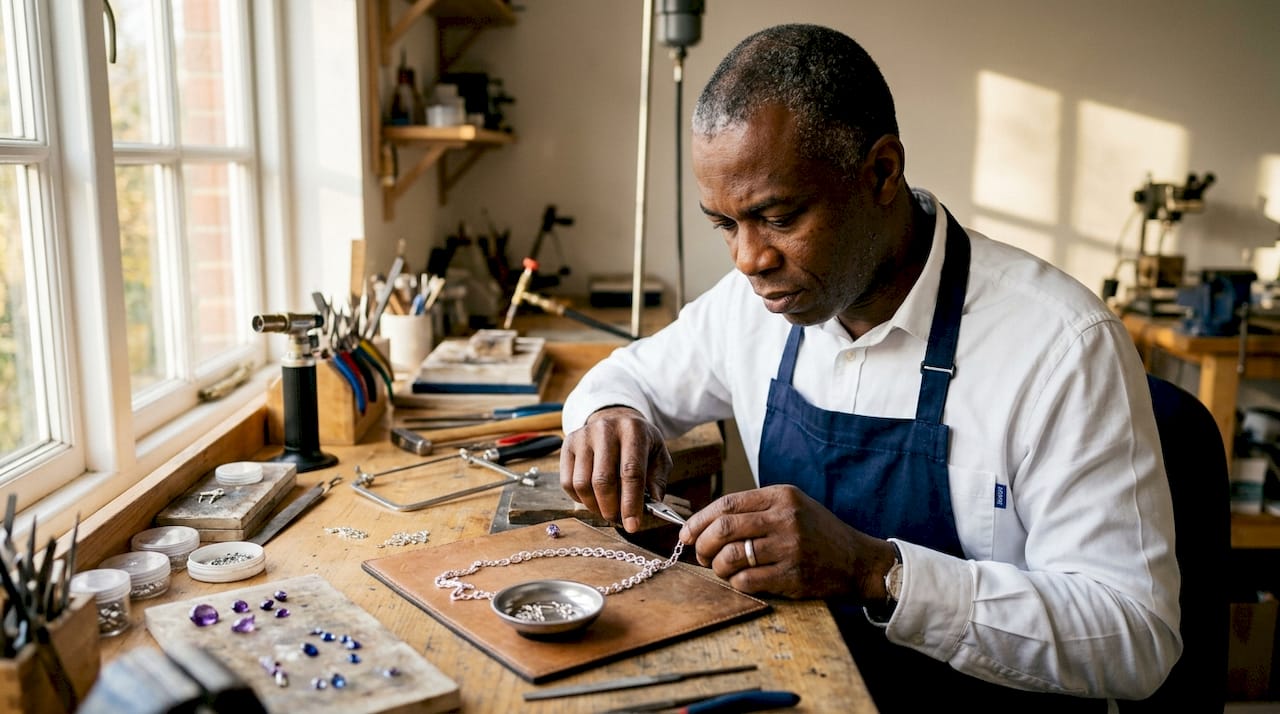
The cost-per-wear method is the most practical way to assess whether a piece is worth its price. Divide the total price by the number of times you expect to wear it. A £60 sterling silver curb chain worn daily for three years costs roughly 5p per wear. A £20 fashion piece that tarnishes after six months costs far more per wear in real terms.
Pro Tip: Before buying, ask yourself how often you will realistically wear the piece. Everyday staples like chains and simple earrings almost always deliver better cost-per-wear value than occasion-specific statement pieces.
The role of retail markup and brand premium
Return policies, warranties, and aftercare services materially affect long-term value and are often overlooked by buyers focused solely on the initial price. A retailer offering a 30-day return window and a repair warranty is absorbing risk on your behalf. That service has real worth, even if it adds a small amount to the ticket price.
Brand premiums can reflect genuine quality control and aftercare, but they are not synonymous with higher material value. Discerning buyers compare metal purity, gemstone details, finish quality, and policies rather than logo alone. Paying more for a name is only justified when that name reliably delivers better materials and service.
How do you verify quality and authenticity when buying jewellery?
Verification starts with hallmark stamps. A genuine .925 sterling silver piece carries that mark stamped directly onto the metal, not printed on a tag. In the UK, the Assay Office hallmarking system provides independent verification of metal purity, and pieces hallmarked by a British Assay Office carry a legally recognised guarantee.
Gemstone quality requires a different approach. For significant purchases, certified lab gemstone reports from bodies such as the Gemmological Institute of America (GIA) or the International Gemological Institute (IGI) confirm a stone’s authenticity, grade, and origin. Without a certificate, you are relying entirely on the seller’s description.
Red flags in product descriptions signal low value quickly. Terms like “gold-tone” or “premium alloy” without specific base metal details often indicate fashion jewellery with a short lifespan. These pieces are not inherently bad, but they should be priced and treated as temporary rather than lasting purchases.
A practical verification checklist for any jewellery purchase:
- Confirm the hallmark stamp is physically present on the metal, not just described in the listing.
- Ask for the base metal composition in writing, not just the plating or finish.
- Request a gemstone certificate for any stone-set piece above a modest price point.
- Read the return policy before purchasing. A 14–30 day return window is the industry standard for trustworthy sellers.
- Check whether the retailer offers a warranty or repair service.
Pro Tip: Reputable jewellers expect buyers to ask direct questions about base metals, warranties, and return policies. If a seller is evasive or vague, treat that as a clear warning sign.
Which jewellery types offer the best value for everyday wear and gifting?
Sterling silver is the strongest starting point for affordable quality jewellery. It offers genuine precious metal content at a fraction of gold’s price, wears well daily, and is easy to maintain. A sterling silver chain with a verified .925 hallmark gives you a piece that holds its appearance for years with basic care.
Gold vermeil sits above silver plating in the value hierarchy. It uses a sterling silver base with a thick gold coating, typically 2.5 microns or more. It costs more than plain silver but far less than solid gold, and it wears better than standard gold-plated pieces. Solid 14K gold is the most durable option in the mid-range budget, but it carries a higher entry price that only makes sense for pieces worn constantly.
| Metal type | Purity standard | Relative cost | Best suited for |
|---|---|---|---|
| Sterling silver (.925) | 92.5% silver | Low | Everyday chains, bracelets, earrings |
| Gold vermeil | Sterling base + thick gold coat | Medium | Occasional wear, gifting |
| 14K gold (585) | 58.5% gold | Higher | Daily wear investment pieces |
| Fashion alloy | Unspecified base metal | Very low | Short-term trend pieces only |
Simpler designs and smaller gemstone accents consistently offer better value than elaborate settings. A clean curb, box, or rope chain requires less labour to produce, which keeps the price closer to the material cost. Silver jewellery with small gemstone accents can deliver elegance within moderate budgets without the premium attached to large stones.
Lab-grown gemstones are worth considering for gifting. Lab-grown diamonds provide the same physical and optical properties as natural stones at a significantly lower price. For buyers who want the appearance of a diamond without the natural stone premium, lab-grown is a direct and honest alternative.
Maintenance preserves value. Silver tarnishes when exposed to moisture, perfume, and air over time. Storing pieces in an airtight pouch and cleaning them with a soft cloth extends their lifespan considerably. Britishchains publishes a jewellery care guide covering practical steps to keep sterling silver looking its best.
Common misconceptions about jewellery value
The most persistent myth is that heavier jewellery is higher quality. Weight indicates more metal, not better metal or better construction. Gold weight is one part of jewellery value; craftsmanship, stones, brand premium, and retail markup all add layers that influence final price and worth. A thick but poorly finished chain is worth less in practical terms than a lighter, well-constructed one.
A second myth is that a high price always signals high quality. Brand premiums can reflect quality control, but brand value also includes design recognition and customer service rather than purely material worth. Paying a premium for a logo without checking the underlying metal purity and finish is a common and costly mistake.
Fashion jewellery and fine jewellery serve different purposes and should be evaluated differently. Fashion pieces are designed for short-term trend cycles. Fine jewellery, made from precious metals with verified hallmarks, is designed to last years or decades. Buying a fashion piece at a fine jewellery price is the clearest form of poor value.
“The price of a piece tells you what the seller values. The hallmark, the finish, and the return policy tell you what the piece is actually worth.”
Impulse purchases driven by visual appeal without assessing construction are the most common route to buyer’s regret. A piece that photographs beautifully but uses vague material descriptions and offers no return policy is a risk, not a bargain.
Key takeaways
Value for money jewellery is defined by metal purity, verified hallmarks, craftsmanship quality, and transparent retailer policies, not by price or brand name alone.
| Point | Details |
|---|---|
| Cost-per-wear is the key metric | Divide the price by expected wears to find the true value of any piece. |
| Hallmarks confirm material purity | Look for .925 on silver and 585 on 14K gold, stamped directly on the metal. |
| Retail markup can reach 30–50% | Brand and overhead costs inflate prices without adding material value. |
| Return policies signal seller confidence | A 14–30 day return window is the industry standard for trustworthy retailers. |
| Sterling silver leads for everyday value | It offers genuine precious metal content at an accessible price with proper care. |
Why I think most buyers overcomplicate this
Most jewellery buying advice tells you to research endlessly before spending a penny. My experience is the opposite. The buyers who get the best value are the ones who learn three things and act on them: check the hallmark, read the return policy, and calculate cost-per-wear. Everything else is secondary.
The obsession with brand names in jewellery is, frankly, a marketing success story rather than a quality story. I have handled sterling silver pieces from small British makers that outperform heavily branded alternatives in finish quality, weight consistency, and we arability. The logo added nothing except price.
Where I do think buyers should spend more time is on maintenance. A well-made sterling silver chain that is stored carelessly and never cleaned will look worse after a year than a cheaper piece that is properly cared for. The jewellery care guide from Britishchains is one of the more practical resources I have seen on this, covering storage, cleaning, and what to avoid. Longevity is part of value, and it is almost entirely in your hands after purchase.
The other thing I would push back on is the idea that budget jewellery cannot be meaningful. A hallmarked sterling silver chain given as a gift carries the same emotional weight as a gold one. The recipient does not feel the price difference. They feel the thought and the quality of what they are holding.
— British
Britishchains sterling silver collections: quality you can verify
Britishchains designs and sells hallmarked sterling silver chains and necklaces crafted in the UK, with every piece carrying a verified .925 stamp. The direct-to-consumer model removes the retail middleman, which means the price reflects the material and craftsmanship rather than showroom overhead.
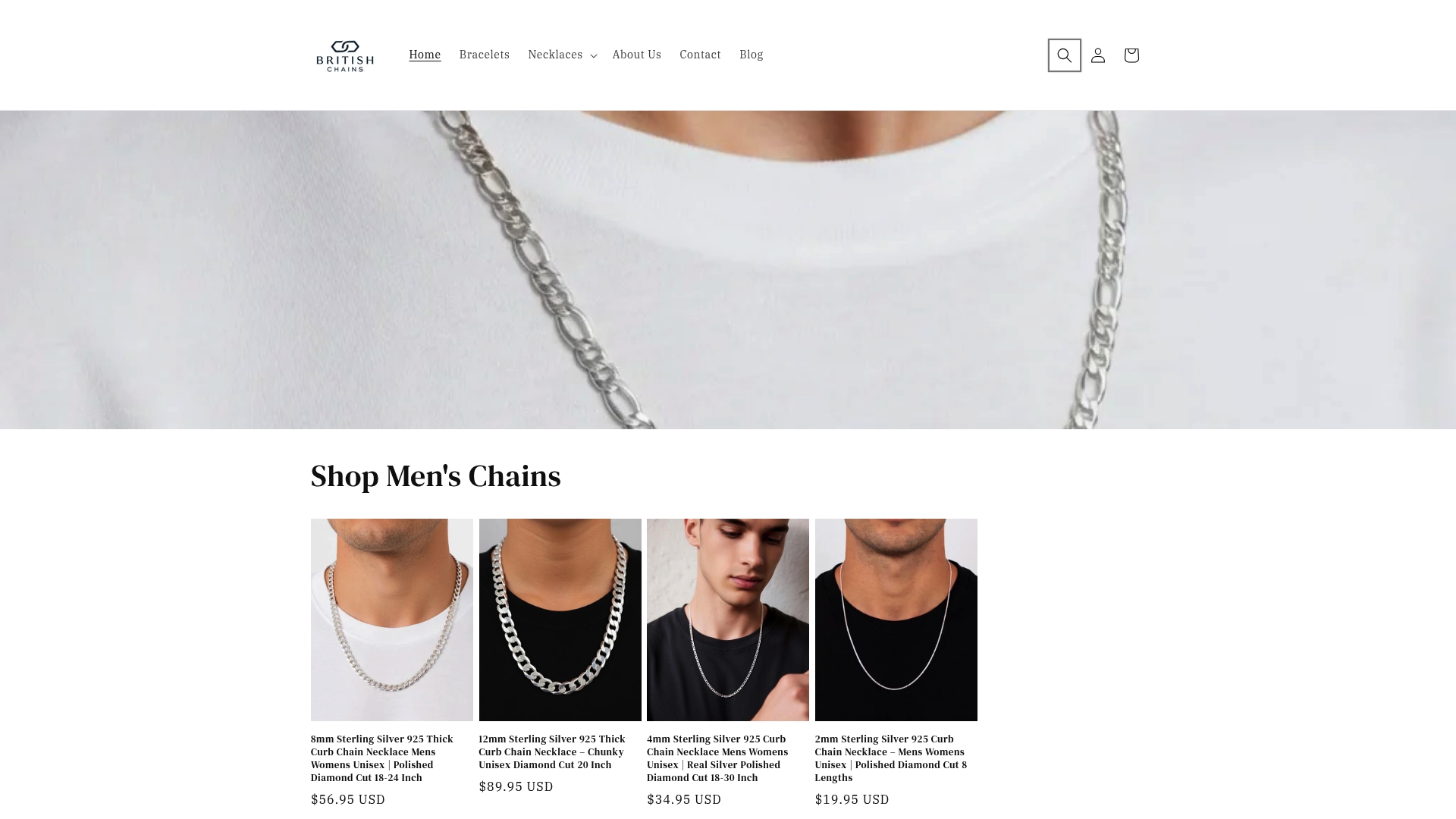
The range covers curb, rope, Figaro, snake, herringbone, and box chains in multiple widths and lengths, suited to everyday wear or gifting. The 4mm curb chain necklace is a strong starting point for buyers who want a versatile, durable piece with clear hallmark credentials. For a finer option, the 2mm curb chain suits layering or everyday minimalist wear. Transparent product descriptions, return policies, and aftercare guidance are available across the full Britishchains catalogue at britishchains.com.
FAQ
What does value for money mean in jewellery?
Value for money jewellery delivers quality materials, durable craftsmanship, and lasting aesthetic appeal at a price that reflects those factors rather than brand markup or trend premium. The cost-per-wear method is the most reliable way to measure it.
How do I know if a silver piece is genuine?
Look for a .925 hallmark stamped directly onto the metal. In the UK, pieces hallmarked by a British Assay Office carry a legally recognised guarantee of silver purity.
Is sterling silver good value for everyday wear?
Sterling silver is one of the best-value options for daily wear. It contains 92.5% pure silver, wears well with basic care, and costs significantly less than gold while maintaining genuine precious metal status.
Are lab-grown gemstones worth buying for value?
Lab-grown gemstones offer the same physical and optical properties as natural stones at a lower price, making them a practical choice for buyers who want quality appearance within a moderate budget.
What red flags should I avoid when buying jewellery?
Avoid pieces described as “gold-tone,” “premium alloy,” or similar vague terms without specific base metal details. These descriptions typically indicate fashion jewellery with a short lifespan and poor long-term value.


