

What is gift-worthy jewellery quality? Your 2026 guide
Gift-worthy jewellery quality is defined by solid precious metals, expert craftsmanship, verified authenticity, and enduring design built for long-term wear. The industry term for this standard is “fine jewellery,” and it sits apart from fashion or costume pieces by meeting measurable purity thresholds. EN ISO 9202:2026 sets the international benchmark for precious metal fineness, ensuring no piece falls below minimum purity. GIA certification provides the equivalent assurance for gemstones. When you understand what is gift-worthy jewellery quality at this level, you stop guessing and start buying with confidence.
What materials and purity standards define high-quality gift jewellery?
The material is the foundation of any fine jewellery piece. High-quality gold jewellery must be solid, not plated or filled, and is commonly available in 10k, 14k, or 18k. Sterling silver must contain 92.5% pure silver and carry a clear ‘925’ stamp to guarantee authenticity.
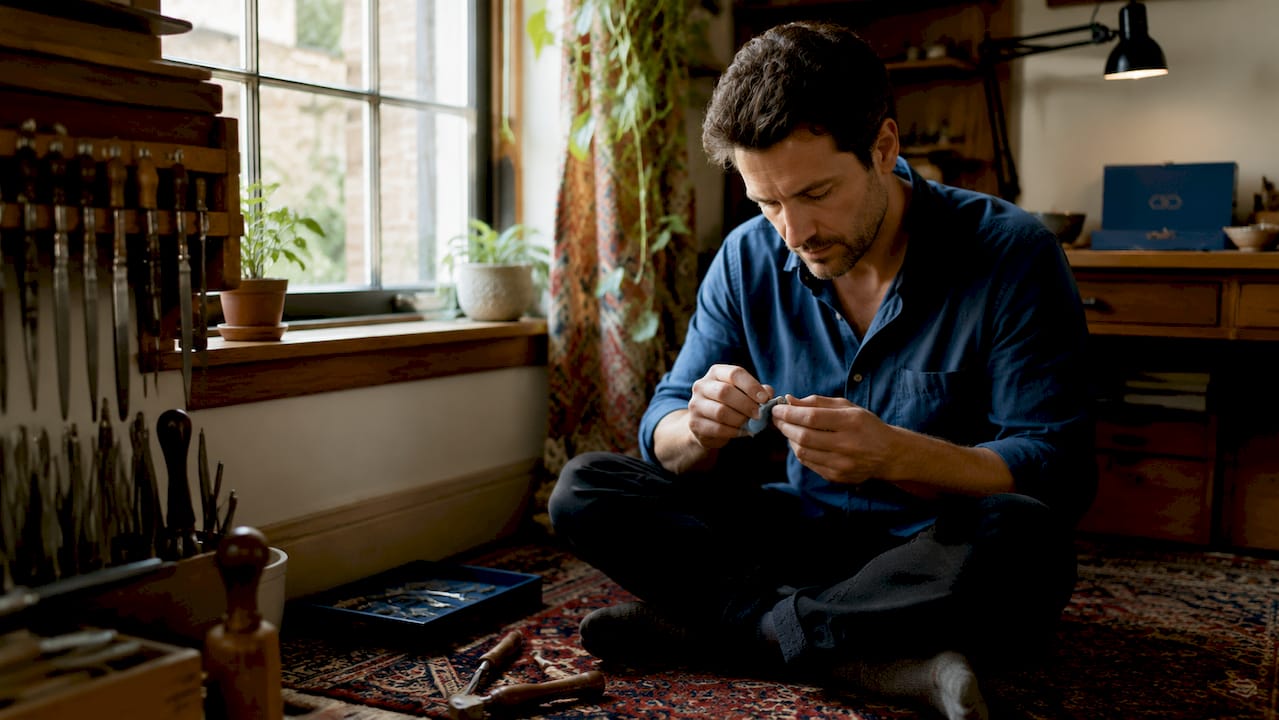
Understanding the difference between solid, plated, and filled metals is non-negotiable when choosing the best jewellery for gifts. Solid metal runs all the way through the piece. Plated metal has a thin surface layer that wears away within months. Filled metal sits between the two but still degrades over years of regular wear. Only solid metal qualifies as fine jewellery by any credible standard.
Hallmark stamps are your fastest quality check. In the UK, the Assay Office applies hallmarks that confirm metal type, purity, and the maker’s mark. A ‘925’ stamp on silver or a karat mark on gold is not decoration. It is a legal declaration of composition.
Common purity markings to look for
- 925 on silver: confirms 92.5% pure sterling silver
- 375, 585, 750 on gold: confirms 9k, 14k, and 18k respectively
- PT950 on platinum: confirms 95% purity
- Assay Office mark: confirms the piece was independently tested in the UK
Pro Tip: Always check the inside of a clasp or the inner surface of a band for hallmark stamps. Reputable makers place them where they are permanent, not decorative.
How to recognise expert craftsmanship in gift jewellery
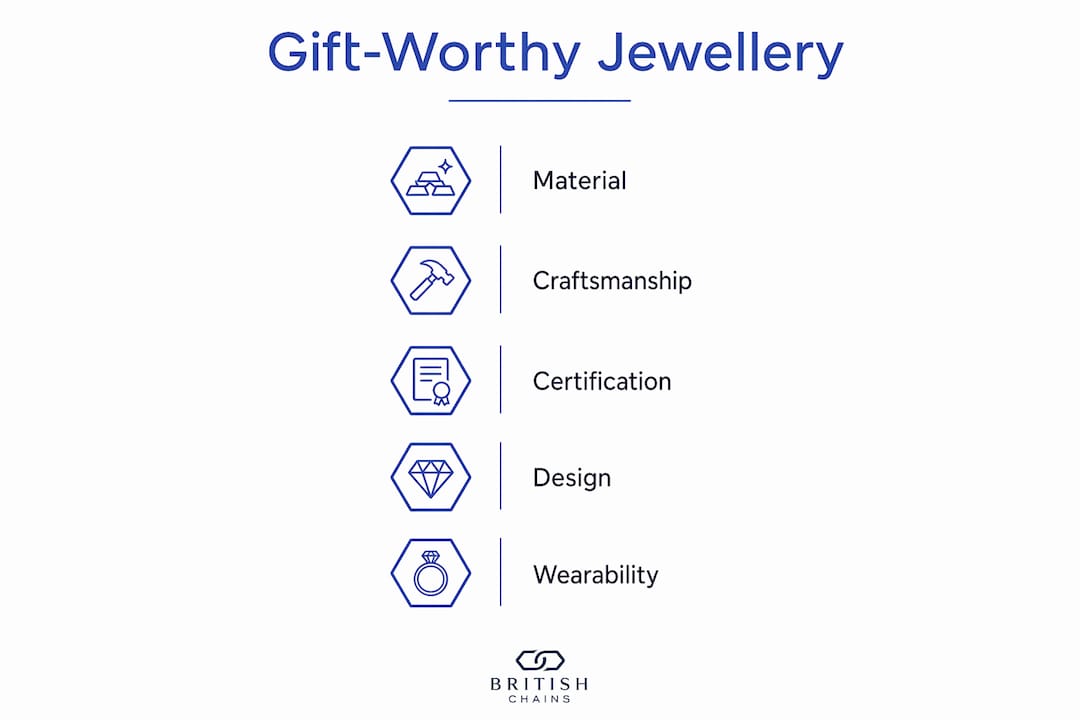
Craftsmanship separates a piece that lasts decades from one that fails within a year. Smooth solder joints, symmetrical prongs, and a consistent high-polish finish are the three visible markers of quality construction. Each one takes time and skill to achieve, which is why mass-produced pieces rarely meet this standard.
Run your fingertip along the inside of any chain or band. Fine jewellery feels smooth throughout. Mass-market pieces often show rough edges, uneven prongs, and inconsistent polishing on interior surfaces. Those rough spots cause skin irritation and signal that the maker cut corners on finishing.
The sound test is a practical technique most buyers overlook. Gently shake a piece near your ear to check for loose stones. A rattle means the setting is compromised. Clasps should snap shut with firm, definite tension. A flimsy clasp is not a minor inconvenience. It is the most common reason jewellery is lost.
Weight and balance also matter. A well-constructed piece feels proportionate in the hand. Pieces that feel unexpectedly light for their size often use hollow construction or thin gauge metal, both of which reduce durability significantly.
Pro Tip: Hold the piece up to a bright light and look at the solder points where components join. Clean, flush joints with no gaps or blobs indicate skilled hand finishing. Visible lumps or dark spots suggest machine assembly with minimal quality control.
Why certification and documentation matter for gift jewellery
Third-party documentation transforms a purchase into a verified asset. GIA certifications and independent appraisals verify gemstone authenticity, confirm ethical sourcing, and establish a baseline value for insurance purposes. A gift accompanied by documentation tells the recipient that the piece has been independently assessed, not just priced by the seller.
For diamonds, a GIA grading report covers the four Cs: cut, colour, clarity, and carat weight. For coloured gemstones, credible lab reports from recognised gemmological laboratories confirm species, origin, and any treatments applied. Without this paperwork, you are taking the seller’s word on quality.
Ethical sourcing has become a genuine consideration for modern buyers. Traceability documentation shows where a stone was mined and confirms it was not sourced from conflict zones. This matters to recipients who care about the provenance of what they wear.
Key documents to request when buying gift jewellery:
- GIA grading report or equivalent lab certificate for diamonds
- Gemmological lab report for coloured stones
- Independent appraisal for insurance valuation
- Hallmark certificate or Assay Office documentation for precious metals
- Ethical sourcing declaration or Kimberley Process certificate for diamonds
What aesthetic and wearability factors make jewellery truly gift-worthy?
A piece can pass every purity test and still fail as a gift if the recipient never wears it. Timeless design outlasts trends. Classic styles such as curb chains, rope chains, and Figaro chains have remained popular across decades precisely because they suit a wide range of personal styles and occasions. Trend-driven pieces risk feeling dated within two or three years.
Comfort determines how often a piece gets worn. No rough edges, no pinching clasps, and no excessive weight are the three comfort requirements for high-quality jewellery selection. A necklace that digs into the neck or a bracelet that catches on fabric will sit in a drawer regardless of its material value.
Versatility adds practical gift value. A piece that works for both casual and formal occasions gets worn far more often than one suited only to special events. Unisex designs extend this further by making the piece suitable for any recipient.
Pro Tip: When choosing a chain necklace as a gift, opt for a mid-weight gauge in a classic style. It will suit the widest range of necklines, outfits, and personal preferences without requiring the recipient to adjust their wardrobe.
Finish quality on all surfaces, not just the front face, signals genuine care in production. A piece finished to the same standard inside and out will resist tarnish longer and feel better against the skin throughout years of wear.
How to identify heirloom-quality jewellery built to last generations
Heirloom quality is the highest tier of fine jewellery. 18k solid gold is the recommended baseline for heirloom pieces because it retains colour and resists oxidation better than lower karat alloys over decades of wear. Lower karat golds can show colour shifts and surface dullness within a generation. Sterling silver hallmarked to 925 standard, when properly cared for, also qualifies as heirloom-grade for chains and necklaces.
The characteristics that elevate a piece to heirloom status are specific and measurable:
- Solid precious metal construction throughout, with no plating or filling
- Natural gemstones with traceable provenance, confirmed by independent lab reports
- Hand finishing on all surfaces, including interior faces and clasp mechanisms
- Timeless design that does not reference a specific era or trend
- Maker’s commitment to aftercare, including resizing, cleaning, and repair services
Fine heirloom pieces show as much care on inside surfaces as on the outside. That internal finish is the mark of a maker who builds for longevity, not just first impressions.
Jewellers offering annual check-ups, cleaning, resizing, and restringing significantly extend a piece’s lifespan. Mass-market retailers rarely provide this level of aftercare. When a maker stands behind their work with ongoing service, it reflects genuine confidence in the quality of what they have built.
The Edinburgh hallmark on British silver is one of the most recognised marks of quality in the world. It signals that a piece has passed independent assay testing and meets the legal standard for sterling silver in the UK. For buyers seeking heirloom-grade British silver, this mark is non-negotiable.
Key takeaways
Gift-worthy jewellery quality requires solid precious metals, hallmark certification, expert craftsmanship, and timeless design to deliver lasting value for both giver and recipient.
| Point | Details |
|---|---|
| Purity markings are non-negotiable | Look for ‘925’ on silver and karat marks on gold as legal proof of metal composition. |
| Craftsmanship shows in the details | Smooth solder joints, firm clasps, and polished interior surfaces separate fine pieces from mass-produced ones. |
| Documentation adds verified value | GIA reports and independent appraisals confirm authenticity and support insurance coverage for the recipient. |
| Timeless design ensures the piece gets worn | Classic styles such as curb and rope chains outlast trends and suit a wider range of recipients. |
| Aftercare availability signals quality | Makers who offer servicing and maintenance build pieces designed to last generations, not seasons. |
Why I think most people buy gift jewellery backwards
Most buyers start with a budget and work backwards to find something that fits it. The problem is that price tells you almost nothing about quality. A high price does not guarantee solid materials or structural integrity. Brand premium and retail markup can inflate cost without adding a single gram of genuine craftsmanship. I have seen beautifully packaged pieces from well-known names that failed the hallmark check entirely.
The smarter approach is to start with the material standard and work outwards. Confirm the metal is solid and hallmarked. Check the finish on interior surfaces. Test the clasp. Then consider the design. Price becomes a secondary filter, not the primary one.
Personalisation is genuinely underrated as a quality signal. A maker who offers engraving, sizing, or custom length options is demonstrating that they build pieces to last long enough to be worth personalising. That commitment to the individual piece is a proxy for overall quality standards.
Aftercare is the detail most buyers forget to ask about. A jeweller who offers a jewellery care guide and ongoing maintenance is telling you they expect their pieces to still be in circulation in ten years. That expectation is worth more than any marketing claim about quality.
Ethical sourcing is no longer a niche concern. Buyers under 40 consistently prioritise traceability, and recipients who care about provenance will value a documented piece more than an undocumented one at twice the price. If a seller cannot tell you where the materials came from, that silence is itself a quality signal.
— British
Britishchains sterling silver: hallmarked quality for every gift occasion
Britishchains designs and crafts sterling silver chains in the UK, with every piece hallmarked to the 925 standard. Each chain is finished to a consistent diamond-cut polish on all surfaces, not just the face presented to the buyer.
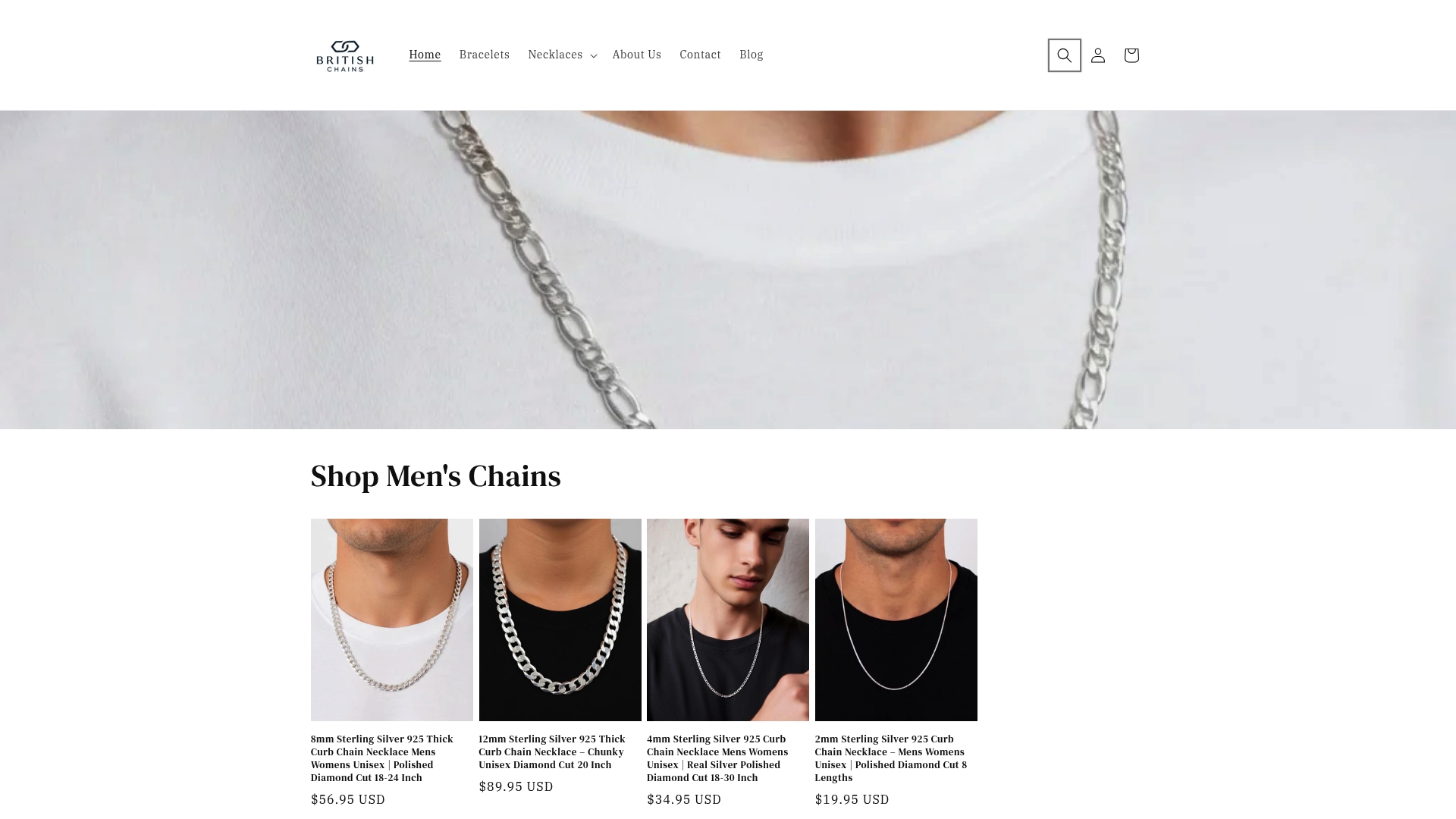
The range covers curb, rope, Figaro, snake, herringbone, and box chains in multiple gauges and lengths, giving you a genuinely gift-ready option for any recipient and any occasion. The 8mm thick curb chain is a standout choice for a substantial, statement gift that carries the full weight of hallmarked British craftsmanship. Every piece ships with the hallmark documentation that turns a purchase into a verified, insurable gift.
FAQ
What does gift-worthy jewellery quality actually mean?
Gift-worthy jewellery quality means the piece is made from solid precious metals meeting recognised purity standards, finished to a consistent standard on all surfaces, and built to withstand years of regular wear without degrading.
How do I check if silver jewellery is genuine sterling silver?
Look for a ‘925’ hallmark stamp, typically found on the clasp or inner surface of the piece. In the UK, an Assay Office mark alongside the ‘925’ confirms the piece has been independently tested.
Is 18k gold better than 14k for a gift?
18k solid gold retains colour and resists oxidation better than 14k over decades, making it the preferred choice for heirloom-grade gifts. For everyday wear gifts, 14k offers greater durability due to its higher alloy content.
Does a higher price mean better jewellery quality?
Price does not equal quality. True value depends on solid materials and craftsmanship, not brand markup. Always verify the hallmark and inspect the finish before relying on price as a quality indicator.
What is the EN ISO 9202:2026 standard for jewellery?
EN ISO 9202:2026 sets the international standard for precious metal fineness in jewellery, ensuring no piece is sold below its declared minimum purity. It provides a global compliance framework that buyers and retailers can rely on.


