

Avoid Buying Fake Sterling Silver: Magnet Test and UK Hallmarks
No, genuine sterling silver is not magnetic. It’s made from mostly silver and a small proportion of copper, both metals are not drawn to a magnet. If a piece stamped “925” grips a magnet strongly, that’s a warning sign, not a quirk of the metal. Something ferrous is likely hiding underneath.
TL;DR:
- A strong magnetic reaction typically indicates the presence of ferrous core materials like steel or iron, not genuine sterling silver.
- Magnet slide tests can produce a slight resistance due to eddy currents, which does not mean the silver is fake, as it is a diamagnetic metal.
- Hallmarks and assay office marks provide definitive confirmation of silver purity, far more reliable than a magnet test.
- Fake “silver” pieces may pass the magnet test if made from nickel silver, brass, or stainless steel, but usually fail hallmark verification.
- If a magnet reacts strongly to a jewelry piece labeled “925,” it warrants further inspection or professional testing before trusting its authenticity.
Table of Contents
- Why sterling silver isn’t magnetic (the science made simple)
- Why does a “sterling” piece sometimes react to a magnet?
- How do you test sterling silver with a magnet, step by step?
- What other checks back up (or contradict) a magnet result?
- Why hallmarks and assay office checks beat a magnet test alone
- What should you do if your silver piece sticks to a magnet?
- Publisher perspective: buying sterling silver with confidence
- Hallmarked 925 chains you can buy with confidence
- Sources
Why sterling silver isn’t magnetic (the science made simple)
Silver sits in a category physicists call diamagnetic, which is close to the opposite of magnetic. Ferromagnetic metals like iron and steel have electrons that line up and reinforce a magnetic field, so they get pulled towards a magnet. Silver’s electron structure does the reverse, weakly pushing a magnetic field away. That property is confirmed by technical references on silver’s atomic structure, and it’s why genuine 925 sterling silver won’t pull or stick to a magnet no matter how strong that magnet is.
Sterling silver’s alloy makes no difference here. The copper added for strength is non-ferromagnetic too, so mixing it with silver doesn’t introduce any magnetic pull.
Here’s where people get confused. Slide a small magnet across a silver surface and you might notice slight resistance, almost like the magnet is dragging through syrup. That’s an eddy current effect, not attraction. Moving a magnet near any highly conductive metal induces tiny electrical currents that generate an opposing field, which slows the magnet’s slide without ever pulling it in. Silver’s diamagnetic behaviour means this drag can look like a weak grip if you’re not paying close attention.
A few things worth remembering about this effect:
- It only happens with movement. A stationary magnet touching silver won’t show any pull at all.
- It’s subtle. You need a strong neodymium magnet and a smooth surface, like a silver coin or a flat pendant, to notice it clearly.
- It never escalates into a proper stick. If a magnet suddenly grips hard, that’s a different phenomenon entirely, and it points to ferrous metal.
Why does a “sterling” piece sometimes react to a magnet?
If your jewellery grabs a magnet, one of several culprits is usually to blame, and the strength of that pull tells you a lot about which one.
- A steel or iron core under a silver plating. Some cheaper “silver” pieces are plated brass or steel dressed up to look like solid silver. These react strongly, often snapping straight to the magnet.
- Magnetic clasps, jump rings, or repair solder. Genuine sterling chains sometimes get a replacement clasp or jump ring made from a cheaper alloy during a repair. The reaction here is usually localised and weaker, only near that one component.
- Nickel content in low-quality alloys. Nickel is ferromagnetic, and some budget jewellery uses nickel-heavy blends that get passed off as silver. This can also trigger allergic reactions in people with nickel sensitivity.
- Stainless steel or silver-tone lookalikes. Stainless steel jewellery is deliberately designed to resemble silver and, depending on its grade, can show a genuine magnetic pull.
The pattern of attraction matters more than most buyers realise. A firm, immediate stick almost always means a ferrous core is present, echoing what consumer testing guides commonly report. A faint drag that only shows up when you slide the magnet, rather than hold it still, is more likely the eddy current effect described above, and it doesn’t disqualify the piece.
Pro Tip: Test the clasp separately from the chain body. A magnetic clasp on an otherwise silver chain is common after a jewellery repair and doesn’t necessarily mean the whole piece is fake.
How do you test sterling silver with a magnet, step by step?
A magnet test takes two minutes and needs almost no equipment, but doing it properly changes what you can actually conclude from it.
What you need:
- A small neodymium magnet (rare-earth magnets give far clearer results than a fridge magnet, which is usually too weak to show anything useful)
- A clean cloth
- Good lighting
The method:
- Clean the piece first. Wipe off tarnish, grease, or dust so you’re testing the metal itself, not a coating.
- Hold the magnet near the clasp and jump rings separately from the main chain. This isolates any localised magnetic parts from the body of the piece.
- Bring the magnet close to the flat body of the chain or pendant without touching it. Genuine silver shows absolutely no pull at this stage.
- Run the slide test. Tilt the magnet to roughly a 45-degree angle and slide it slowly across a flat section, such as a coin or pendant face. This slide technique is the standard method for separating genuine eddy-current drag from real attraction.
Reading the result:
- No pull, no drag: consistent with genuine sterling silver.
- A faint slowing sensation only while sliding: consistent with genuine silver’s diamagnetism, not a fault.
- A firm, immediate stick: ferrous metal is present somewhere in the piece.
Hollow chains and heavily tarnished items need a bit more care, since tarnish can mask the surface and hollow pieces sometimes hide a steel core for structural support. For very small findings like clasps, hold the magnet as close as possible without letting it snap onto anything, since a small strong magnet can jump and scratch delicate metal.
What other checks back up (or contradict) a magnet result?
A magnet test only screens for ferrous metal. It says nothing about purity, and some fakes, like nickel silver or brass, will pass it while still not being real silver. That’s why a magnet result should always sit alongside a couple of other quick checks.
- Look for a hallmark. A “925” stamp, alongside official assay marks, indicates the piece has been declared as sterling purity. Genuine hallmarks are crisp and consistent; blurry or inconsistent stamping is a red flag.
- Watch how it tarnishes. Genuine silver oxidises slowly and evenly, developing a soft grey or blackish patina over time. Silver-plated base metal often tarnishes unevenly or shows a different colour breaking through at high-wear points, like the inside of a ring or the back of a clasp.
- Check the weight. Solid silver feels dense for its size. A piece that feels suspiciously light for its bulk may be a hollow tube or a lighter base metal.
- Treat acid testing as a last resort. Acid tests can damage a piece and give ambiguous results in inexperienced hands. For anything of real value, professional XRF analysis or assay testing is the safer route.
Why hallmarks and assay office checks beat a magnet test alone
A hallmark is a small-stamped mark, usually including the fineness figure and a symbol tied to a specific assay office, that confirms a piece has been independently tested and certified for its silver content. It’s the closest thing the UK jewellery trade has to a guarantee, and it carries far more weight than any test you can run at home.

UK assay offices exist specifically to verify metal purity before a piece is legally allowed to carry a “925” claim, which is why hallmark verification beats a DIY magnet check every time. A magnet only rules certain fakes in or out. A hallmark confirms what the metal actually is.
If you want to go deeper on reading these marks correctly, Britishchains has a detailed breakdown of what the 925 stamp actually means and a wider guide on how to tell if a silver chain is real that pairs hallmark reading with other physical checks.
A few practical habits worth building:
- Always ask a seller for a close-up photo of the hallmark before buying anything second-hand.
- Cross-check the assay mark against known UK office symbols rather than assuming any stamp is legitimate.
- Treat missing or worn-away hallmarks on older pieces as a reason for extra scrutiny, not automatic rejection.
What should you do if your silver piece sticks to a magnet?
A firm magnetic reaction isn’t proof you’ve been scammed, but it’s a clear signal to stop and check further before wearing or selling the piece again.
- Stop wearing it and photograph the piece, including any hallmarks, from multiple angles.
- Check the seller’s returns policy and get in touch if the item was bought recently.
- Ask the seller directly whether they can confirm the hallmark or provide certification.
- Book a professional test for anything of meaningful value. An XRF scan or formal assay gives a definitive purity reading that a magnet never can.
- Use consumer-protection routes if the seller won’t cooperate. Under UK consumer law, items must match their description, and card providers or payment platforms often offer dispute processes for misdescribed goods.
A magnet test is decisive only when the reaction is strong and immediate. Anything subtler deserves a second opinion before you draw conclusions.
Publisher perspective: buying sterling silver with confidence
Every chain Britishchains sells carries full UK hallmarking, because a stamp from a recognised assay office removes the guesswork a magnet test can’t fully resolve on its own. We’d still encourage anyone buying silver anywhere, not just from us, to ask for a clear hallmark photo before paying. If you want more detail on spotting the difference between genuine and plated pieces, our guide on telling if a necklace is real silver walks through the checks that matter most.
— British
Hallmarked 925 chains you can buy with confidence
Buying hallmarked silver from a source that publishes its purity claims takes the guesswork out of the equation, no magnet required. Britishchains stocks a full range of certified 925 sterling styles, including the 2mm curb chain, the 2mm Figaro chain, the 2mm herringbone chain, and the 8mm thick curb chain for those after something heavier.
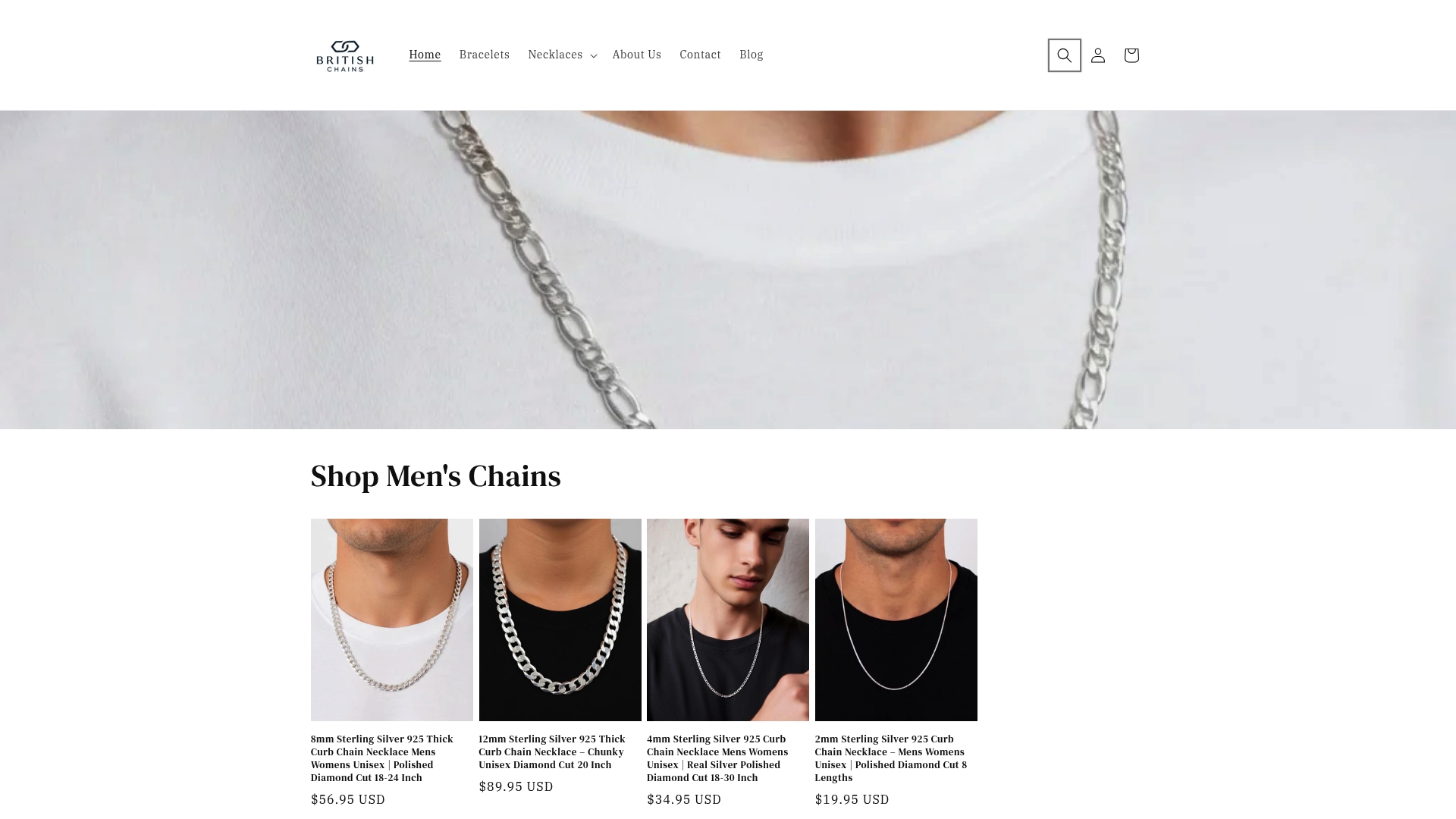
Every one of these pieces is hallmarked before it reaches you, so you’re never relying on your own magnet test to confirm what you’ve bought. If you’re shopping for a gift, our partner guide on gifts for silver stackers is worth a browse too. Ready to buy something you won’t need to test? Take a look at the 2mm curb chain range and pick a length that suits.
Sources
- What is a hallmark? – The Assay Office (London)
- Will a Magnet Stick to Sterling Silver? Real Test (2026) – AJLuxe
- Magnet test for gold, silver, copper & gemstones | Quicktest


