

Sterling silver purity standards UK: what you need to know
What are the UK sterling silver purity standards?
Sterling silver sold in the UK must contain a minimum of 925 parts per thousand of pure silver, meaning 92.5% silver and 7.5% other metals, typically copper. That ratio is not arbitrary. It balances beauty with durability in a way that pure silver simply cannot match.
Under the Hallmarking Act 1973, any silver article sold as sterling in the UK must carry a full hallmark. That hallmark comprises three compulsory marks:
- Sponsor’s mark: identifies the maker or manufacturer
- Metal and Fineness mark: shows the millesimal fineness, e.g. “925” for sterling silver
- Assay Office mark: confirms which authorised office tested and struck the piece
The UK also recognises three additional silver fineness levels: 800, 958 (Britannia silver), and 999 (fine silver). Each carries its own fineness mark. The Common Control Mark (CCM), used under the International Hallmarking Convention, is accepted in the UK alongside the national hallmark.
The Lion Passant is the traditional symbol for sterling silver in England, but the Lion Passant alone does not constitute a full legal hallmark. All three components must be present. The British Hallmarking Council advises that any description using the word “silver” without specifying a fineness standard is incomplete and potentially misleading to buyers.
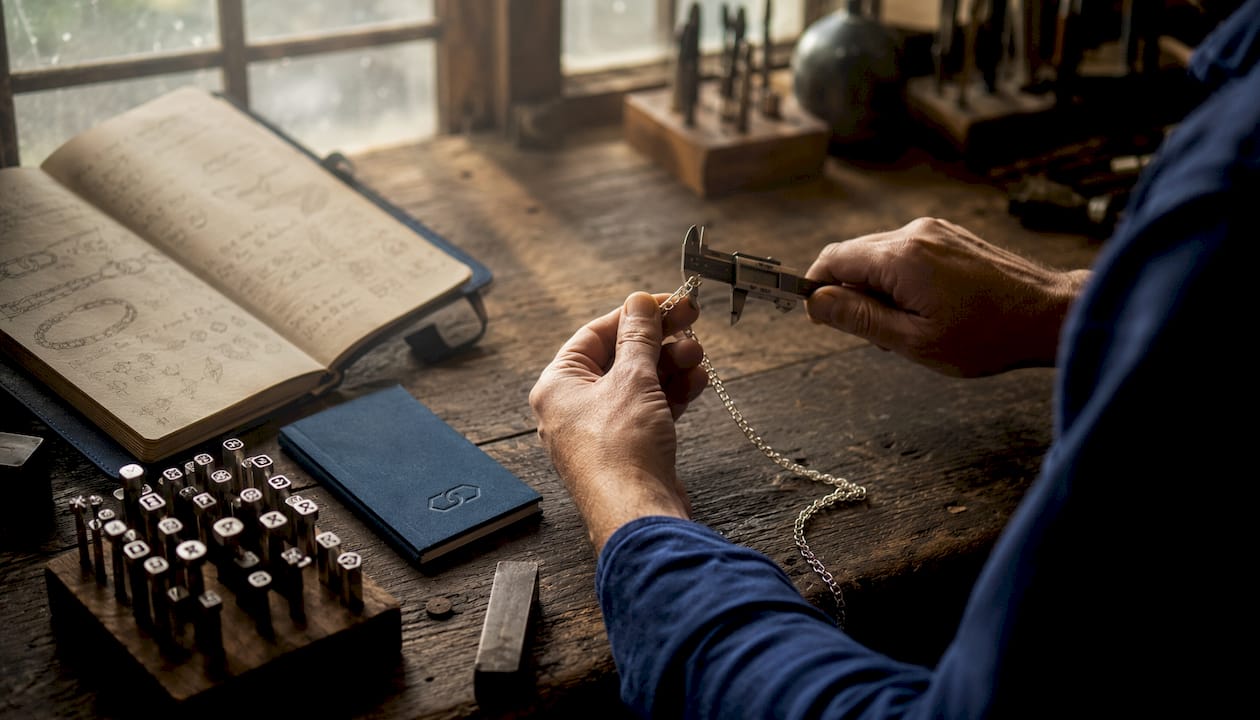
Pro Tip: Always check for all three hallmark components before purchasing. A “925” stamp alone, without an Assay Office mark, does not meet the UK’s full legal hallmarking requirement.
How do you verify sterling silver authenticity in the UK?
The four UK assay offices each strike a unique mark: London uses a leopard’s head, Birmingham an anchor, Sheffield a rose, and Edinburgh a castle. These marks establish provenance and confirm the piece passed independent testing. You can learn more about reading these symbols in Britishchains’ guide to sterling silver hallmarks.
The Edinburgh Assay Office states clearly that the hallmark is the only legal guarantee of purity. At-home tests such as acid kits or magnet checks can hint at problems, but they cannot substitute for a legally applied hallmark. A piece that passes a home test but lacks a full hallmark still has no legal purity guarantee.
Steps to verify a piece before buying:
- Look for all three compulsory marks, not just “925”
- Identify the Assay Office mark to confirm UK testing
- Check that the fineness mark matches any written description
- Treat vague labels like “silver-tone” or plain “silver” as unverified
If a retailer describes a piece as “silver” without stating a fineness, the British Hallmarking Council’s guidance treats that as incomplete information. Knowing how to spot fake sterling silver is a practical skill worth developing before you spend.
How does the UK’s history and international context shape silver standards today?
The 92.5% sterling standard has roots stretching back to a statute of Edward I in 1275, which set the silver content for English coinage at approximately that ratio. The standard has remained the benchmark for sterling silver ever since, codified formally by the Hallmarking Act 1973.
| Standard | Fineness | UK recognition | Common use |
|---|---|---|---|
| Fine silver | 999 | Yes | Bullion, specialist pieces |
| Britannia silver | 958 | Yes | Premium UK silverware |
| Sterling silver | 925 | Yes (primary standard) | Jewellery, chains, flatware |
| Continental silver | 800 | Yes | Older European pieces |
The US has no mandatory hallmarking law equivalent to the UK’s. American pieces marked “Sterling” or “925” rely on trade standards rather than independent assay office verification. The EU has no single unified hallmarking system either, with member states operating their own schemes. The CCM bridges this gap: articles bearing a Convention Hallmark can be sold across member countries without retesting, because the CCM fineness levels for silver (800, 925, 958, and 999) align with UK-recognised standards.
Fraud in this space typically involves silver-plated pieces described vaguely as “silver,” or import pieces carrying a “925” stamp without a full UK hallmark. A fully hallmarked piece from a UK assay office carries direct implications for resale value and insurance. Insurers and valuers rely on hallmark records to confirm metal content, and a piece lacking a full hallmark may be valued at a lower rate or require additional testing at the owner’s cost.
Key takeaways
UK sterling silver requires all three hallmark components to carry legal purity status, and a “925” stamp alone does not satisfy the Hallmarking Act 1973.
| Point | Details |
|---|---|
| Minimum fineness | Sterling silver must contain at least 925 parts per thousand of pure silver. |
| Three compulsory marks | A full UK hallmark needs a Sponsor’s mark, Metal and Fineness mark, and Assay Office mark. |
| Four assay offices | London, Birmingham, Sheffield, and Edinburgh each strike a unique identifying symbol. |
| CCM acceptance | The Common Control Mark allows silver from convention countries to be sold in the UK without retesting. |
| Vague descriptions | Labels using “silver” without a stated fineness are incomplete and potentially misleading under British Hallmarking Council guidance. |
Britishchains hallmarked sterling silver chains
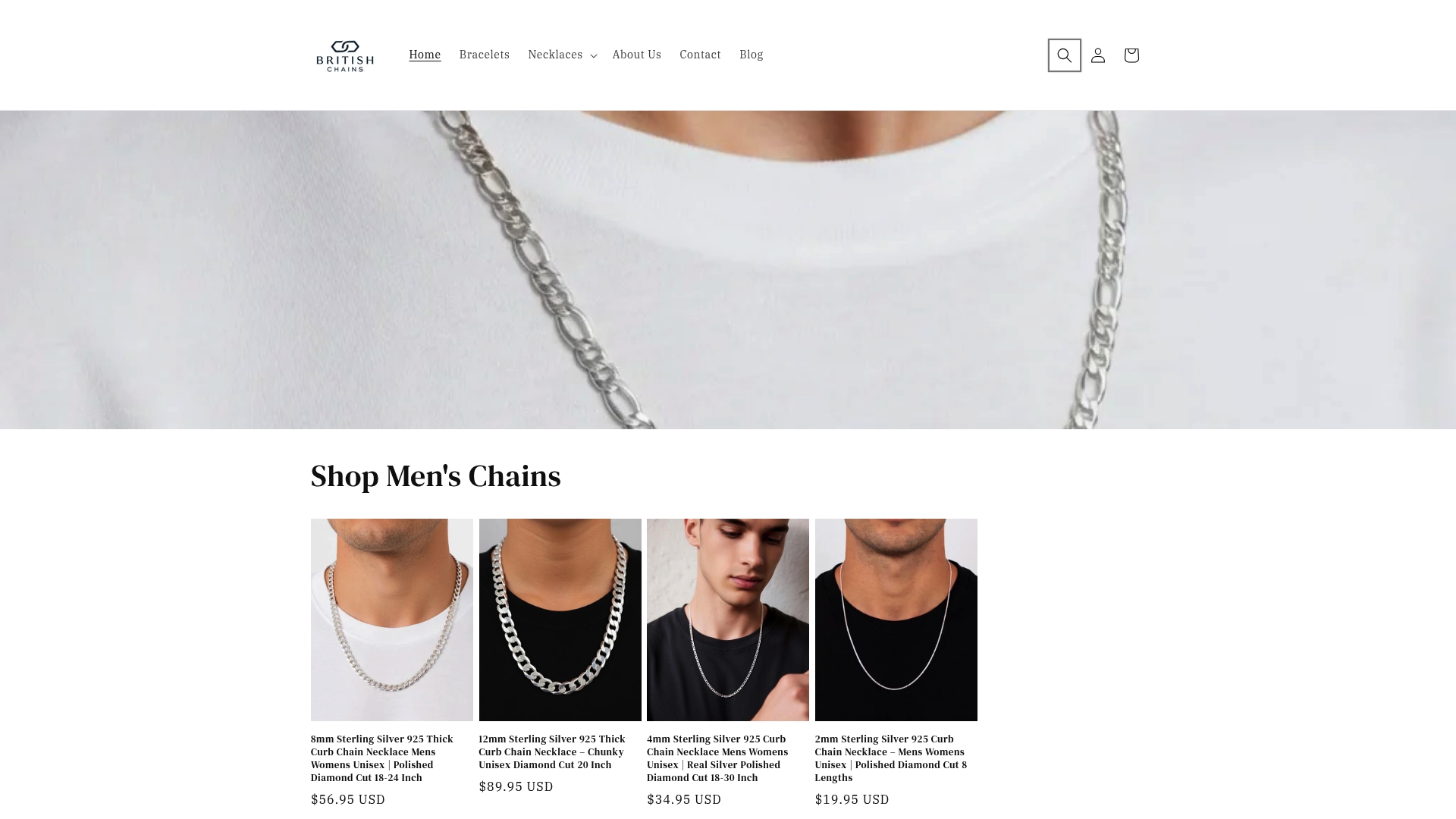
Every chain at Britishchains carries a clear 925 hallmark, meeting UK purity requirements in full. The 8mm sterling silver curb chain is a popular choice for buyers who want verified quality with a bold, polished finish. Each piece is crafted to British standards, so you know exactly what you are buying before it arrives.


