

What is premium silver jewellery: the complete guide
Premium silver jewellery is defined as pieces crafted from 925 sterling silver, a precise alloy of 92.5% pure silver and 7.5% copper, combined with skilled craftsmanship to produce durable, elegant pieces suited to daily wear or gifting. The industry term is “sterling silver jewellery,” and the “premium” label signals that the alloy standard is met alongside hallmark verification and artisan finishing. Understanding what separates a genuine sterling silver piece from a plated imitation protects your money and your expectations.
What is premium silver jewellery, and why does the alloy matter?
Sterling silver is the recognised standard for premium silver jewellery worldwide. The 92.5% silver composition is a deliberate engineering choice. Pure silver, at 99.9% purity, is too soft to hold the fine detail required for clasps, chains, and stone settings. The 7.5% copper addition hardens the metal without compromising its bright, white lustre.
The mechanical difference is significant. Sterling silver is approximately 10 times harder than fine silver, which means rings, chains, and bracelets resist bending and scratching during everyday use. That hardness is what makes sterling silver the practical choice for jewellery designed to last years rather than months.
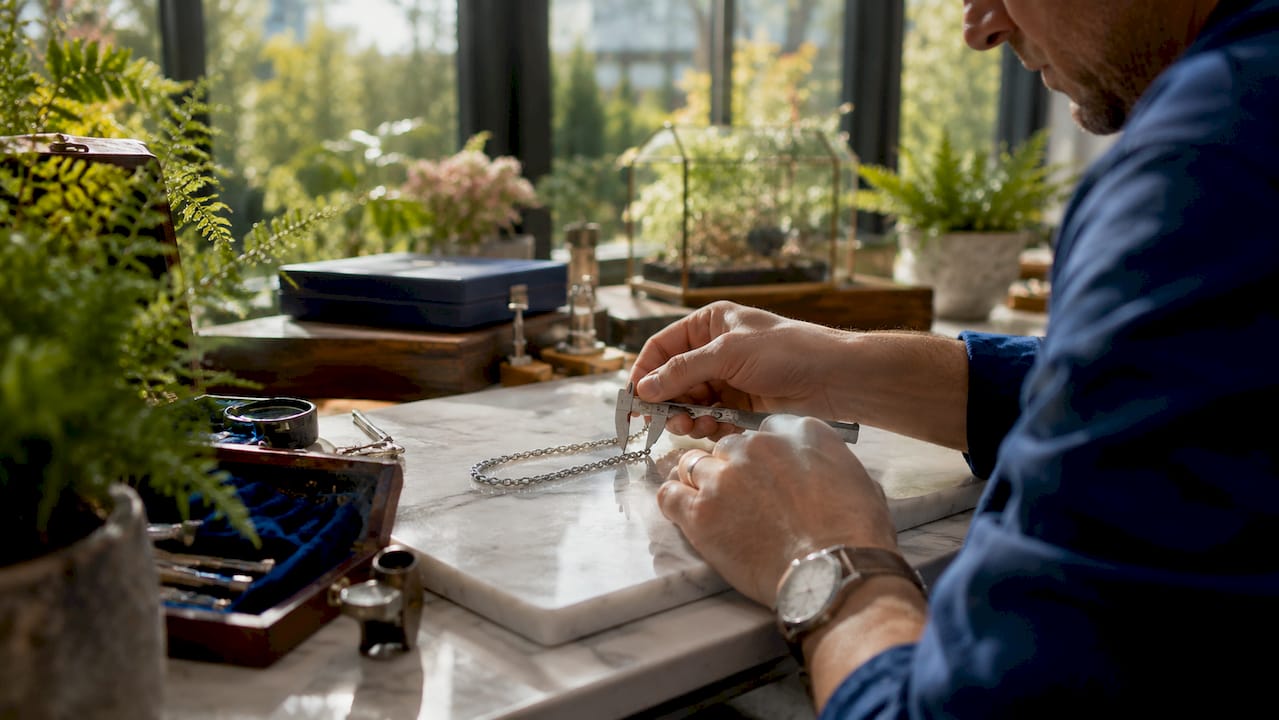
One common misconception is that higher purity always means higher quality. In jewellery, that is not true. Fine silver scratches easily, loses its shape under light pressure, and cannot support intricate designs. Sterling silver holds engraving, maintains clasp tension, and survives the knocks of daily life. The alloy is the foundation of every premium piece.
Tarnish is the one trade-off. The copper in sterling silver reacts with atmospheric sulphur to form a dark patina over time. Many artisans and buyers regard this as a character feature rather than a flaw, since tarnish is a natural part of silver ageing and can be polished away in minutes with a soft cloth.
Pro Tip: Store sterling silver in an airtight pouch or anti-tarnish bag when not wearing it. Sulphur in the air is the primary cause of tarnish, and limiting exposure slows the process considerably.
How does craftsmanship elevate sterling silver beyond its material?
The alloy sets the floor. Craftsmanship sets the ceiling. Two pieces of 925 sterling silver can differ enormously in value depending on how they were made.
Premium silver jewellery distinguishes itself through a set of artisan techniques that mass-produced or plated pieces cannot replicate:
- Hand-polishing produces a mirror finish that reflects light evenly across the surface, rather than the uneven sheen of machine-buffed pieces.
- Precise stone setting holds gemstones securely without visible glue or rough prong edges, protecting both the stone and the wearer.
- Controlled oxidation adds deliberate darkening to recessed areas, creating depth and contrast that flat, uniform finishes lack.
- Texture contrasts, such as matte brushing alongside polished sections, give a piece visual complexity that signals hand finishing.
- Secure clasps and settings are the most practical marker of quality. A lobster clasp on a premium chain should open and close smoothly under finger pressure without sticking or springing loose.
Good-quality clasps and secure settings are critical in premium jewellery to protect the piece over years of wear. A chain that loses its clasp after six months is not a premium piece regardless of its silver content.
The contrast with silver-plated jewellery is stark. Plated pieces carry only a thin layer of silver over a base metal, typically brass or copper. That layer wears through at contact points within months, exposing the base metal beneath. A sterling silver versus plated comparison shows that solid sterling retains its appearance and resale value indefinitely, while plated pieces have no meaningful resale worth once the surface degrades.
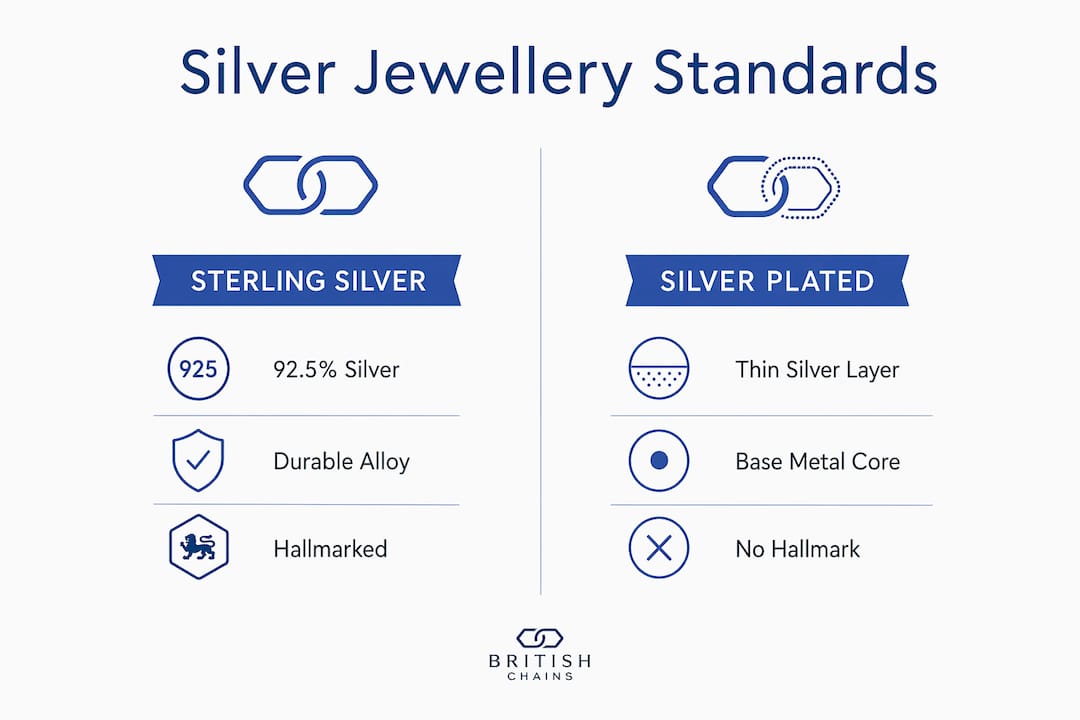
Pro Tip: Run your fingernail along the inside of a chain link. Premium sterling silver feels uniformly smooth. Plated pieces often show micro-roughness or slight discolouration at wear points, even when new.
Signed luxury brand pieces often sell at 2 to 5 times the raw silver value due to design and reputation. That premium reflects the skill invested in the piece, not just the metal content.
What hallmarking should buyers look for?
Hallmarking is the legally recognised independent verification of silver content. In the United Kingdom, the lion passant is the mark that guarantees a piece contains at least 92.5% silver. It is struck by one of the four UK assay offices: London, Birmingham, Edinburgh, or Sheffield. No reputable British retailer sells sterling silver without it.
The UK lion passant hallmark is the consumer’s primary protection against plated fakes and misleading labelling. A piece marked “925” without an official hallmark has been self-certified by the manufacturer, which carries no independent legal weight in the UK. Always look for the assay office mark alongside the purity figure.
Key hallmarks to recognise on British sterling silver:
- Lion passant: confirms 92.5% silver purity (England and Wales)
- Edinburgh castle: the Scottish equivalent assay mark
- Date letter: indicates the year of hallmarking, useful for provenance
- Maker’s mark: identifies the manufacturer or sponsor responsible for the piece
For higher-value pieces, a certified appraisal by a qualified gemologist adds a further layer of assurance. Professional appraisals by GIA or FGA-certified gemologists provide documentation for insurance or resale purposes, reflecting value beyond the raw metal. This matters most when purchasing antique sterling silver or signed designer pieces where provenance affects price significantly.
Unmarked pieces or those labelled “silver-tone” or “silver-coloured” carry no guarantee of silver content. Avoid them when you are paying a premium price.
How to evaluate premium silver jewellery value
Jewellery value is mostly influenced by craftsmanship, design, brand, and age, rather than metal content alone. The melt value of silver is only a baseline. A plain sterling silver rod and a hand-engraved sterling silver curb chain contain the same metal, but their retail prices differ substantially because one required skilled labour and original design work.
Understanding what you are actually paying for
When you buy a premium sterling silver piece, the price reflects four components: the silver content, the labour of making it, the design originality, and the brand’s quality assurance. Melt value often misleads buyers. The real cost comes from artisan skill, design exclusivity, and the confidence that the piece will last.
Stretching your budget without compromising quality
Stretching your budget for premium silver jewellery means prioritising solid sterling over plated alternatives, even at a higher upfront cost. A plated chain at £15 that degrades in six months costs more over two years than a solid sterling chain at £45 that lasts a decade. The budget silver jewellery guide from Britishchains outlines how to identify durable, stylish pieces without overspending.
Foundational pieces offer the best value. A classic curb chain, a pair of plain studs, or a simple bangle in solid sterling silver work with almost any outfit and never go out of style. Versatility extends the cost-per-wear calculation dramatically.
Quality indicators at a glance
| Quality indicator | What to check |
|---|---|
| Hallmark | Lion passant plus assay office mark present |
| Alloy grade | Stamped “925” or “Sterling” on the piece |
| Clasp type | Lobster or bolt-ring clasp, smooth action |
| Surface finish | Consistent polish or intentional texture, no pitting |
| Design complexity | Clean joins, no visible solder blobs, even link spacing |
Care and maintenance
Proper care preserves both appearance and value. Clean sterling silver with warm water, a drop of washing-up liquid, and a soft cloth. Dry thoroughly before storing. Storing silver correctly in an airtight container or anti-tarnish pouch slows oxidation and keeps pieces looking new between wears.
Rhodium plating is an option some buyers choose for a brighter white finish and slower tarnish. Rhodium plating wears off over 2–3 years and requires periodic re-plating to maintain its effect. Unplated sterling silver is preferred by many buyers for its warmer, natural patina that develops character over time.
Key takeaways
Premium silver jewellery is defined by its 925 sterling silver alloy, verified by hallmark, and distinguished from mass-market pieces by the quality of its craftsmanship, finishing, and clasp construction.
| Point | Details |
|---|---|
| Alloy standard | 925 sterling silver (92.5% silver, 7.5% copper) is the recognised benchmark for premium pieces. |
| Hallmark verification | The UK lion passant is the legally recognised mark confirming genuine sterling silver content. |
| Craftsmanship matters | Hand-polishing, secure clasps, and controlled oxidation separate premium pieces from plated alternatives. |
| Value beyond metal | Design, brand, and artisan skill drive retail price well above raw silver melt value. |
| Care extends value | Airtight storage and gentle cleaning preserve appearance and protect long-term investment. |
Why sterling silver remains the most honest luxury metal
Sterling silver occupies a position that gold cannot, and base metals never will. It is genuinely precious without being financially out of reach for most buyers. I have handled a great deal of jewellery over the years, and the pieces that hold up, both physically and aesthetically, are almost always solid sterling with a proper hallmark and a well-made clasp.
The jewellery industry has a persistent problem with plated pieces being sold at near-sterling prices. The difference is not always visible at first glance, which is exactly why hallmarking exists. A lion passant is not decoration. It is a legal guarantee backed by an independent assay office, and it is the single most important thing to check before handing over money.
What I find genuinely compelling about premium sterling silver is that it ages well. The patina that develops on an unplated piece is not a sign of failure. It is evidence of real silver doing what real silver does. You can polish it back to bright white in minutes, or leave it to develop depth. That choice belongs to the wearer, and it is a choice that plated jewellery simply cannot offer.
Premium silver jewellery is best understood as a blend of functional daily wear and artistic craftsmanship, not a pure precious metal investment. Buy it for the quality of the making, verify it with the hallmark, and care for it properly. A well-made sterling silver chain, bought once, will outlast a dozen cheaper alternatives.
— British
Britishchains sterling silver: quality you can verify
Britishchains designs and retails genuine 925 sterling silver jewellery crafted in the UK, with hallmark guarantees on every piece. The range covers classic and contemporary styles, from fine everyday chains to chunky statement necklaces, all built from solid sterling silver rather than plated base metal.
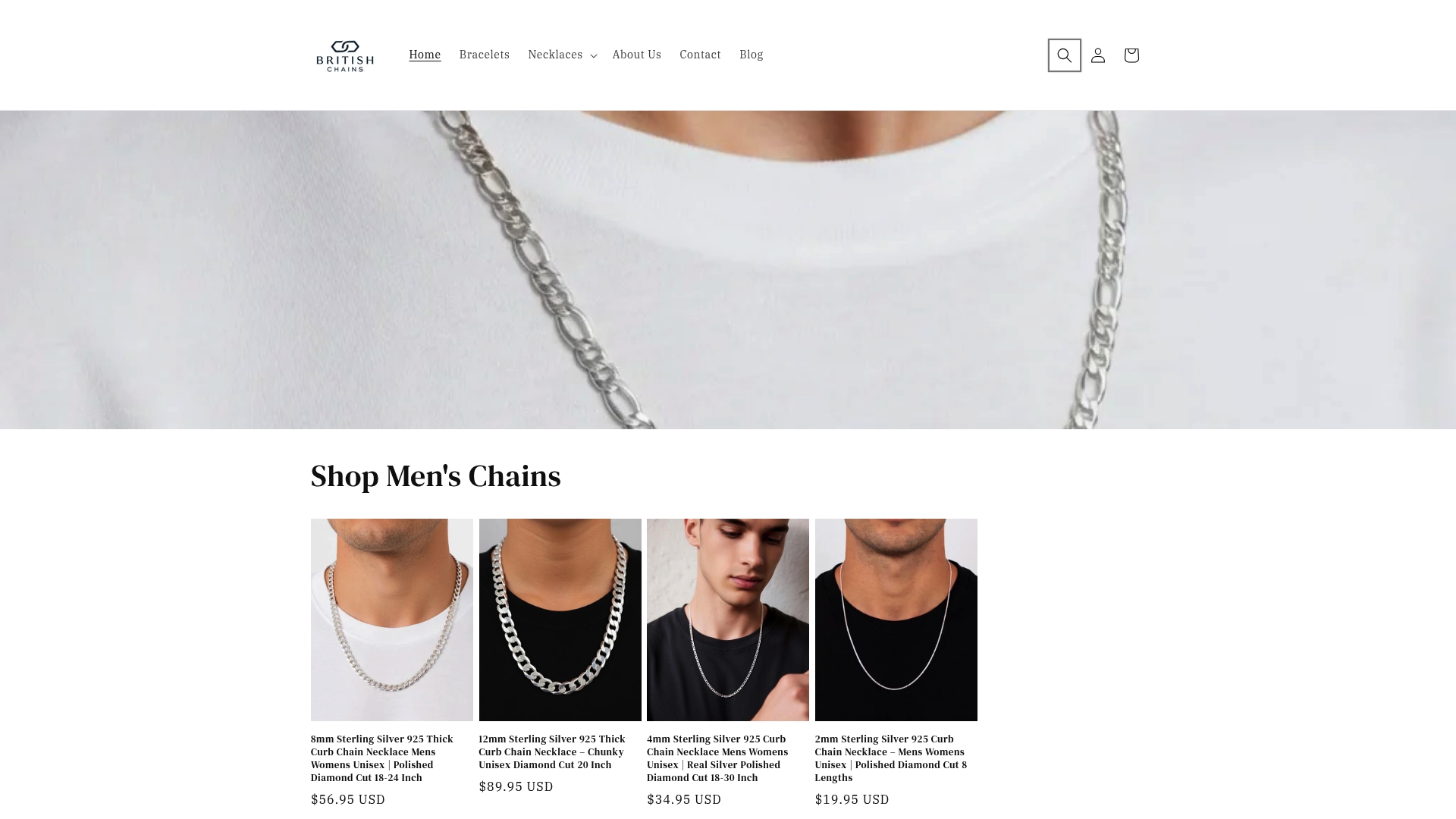
The 8mm diamond cut curb chain is one of the most popular choices, offering a polished finish, solid construction, and a lobster clasp built for daily wear. For buyers who prefer a finer profile, the 2mm Figaro chain necklace in 925 sterling silver is available in multiple lengths and suits both men and women. Every piece from Britishchains carries the hallmark assurance discussed throughout this article.
FAQ
What does 925 mean on silver jewellery?
The “925” stamp indicates that the piece contains 92.5% pure silver and 7.5% other metals, typically copper. This is the standard composition for sterling silver and the recognised benchmark for premium silver jewellery.
How do I know if my silver jewellery is genuine?
Look for the UK lion passant hallmark, which is struck by an independent assay office and legally guarantees the silver content. A “925” stamp alone is self-certified and carries less legal weight than an official hallmark.
Is premium silver jewellery worth buying over plated alternatives?
Solid sterling silver outlasts plated jewellery significantly. Plated pieces wear through at contact points within months, while sterling silver retains its appearance and can be polished and worn for decades.
Does sterling silver tarnish, and is that a problem?
Sterling silver tarnishes naturally as copper reacts with atmospheric sulphur. Tarnish is not damage. It polishes away easily with a soft cloth, and proper airtight storage slows its formation considerably.
What is the difference between a GIA and FGA appraisal?
Both the GIA (Gemological Institute of America) and the FGA (Fellow of the Gemmological Association of Great Britain) are internationally recognised credentials for gemologists. Either qualification signals that the appraiser can assess jewellery value accurately for insurance or resale documentation.


