

What makes jewellery a keepsake: the full guide
A keepsake jewellery piece is defined by its enduring emotional significance, worn intentionally and frequently enough to become a physical embodiment of personal memories and identity. The term “keepsake” in jewellery refers to what the industry more formally calls sentimental or memorial jewellery, though the emotional process behind it applies to any piece worn with purpose. What makes jewellery a keepsake is not its price, its gemstones, or its complexity. It is the combination of intentional wear, emotional encoding, and physical durability that transforms a simple chain or ring into something irreplaceable. Grief researchers, legacy designers, and attachment psychologists all point to the same conclusion: the story woven into a piece matters far more than the metal it is made from.
What makes jewellery a keepsake?
Jewellery becomes a keepsake through intentional and frequent wear over time, typically across one to three years of regular use. That repeated contact builds a psychological bond between the wearer and the object. Each time you put the piece on during a significant moment, your brain encodes that experience alongside the sensory memory of the jewellery itself.
Physical proximity to the skin intensifies this process. Sensory input from jewellery worn against the body is richer and more detailed than from objects simply present nearby. A necklace resting at your collarbone during a wedding, a graduation, or a difficult hospital visit carries that moment forward in a way a photograph cannot fully replicate.
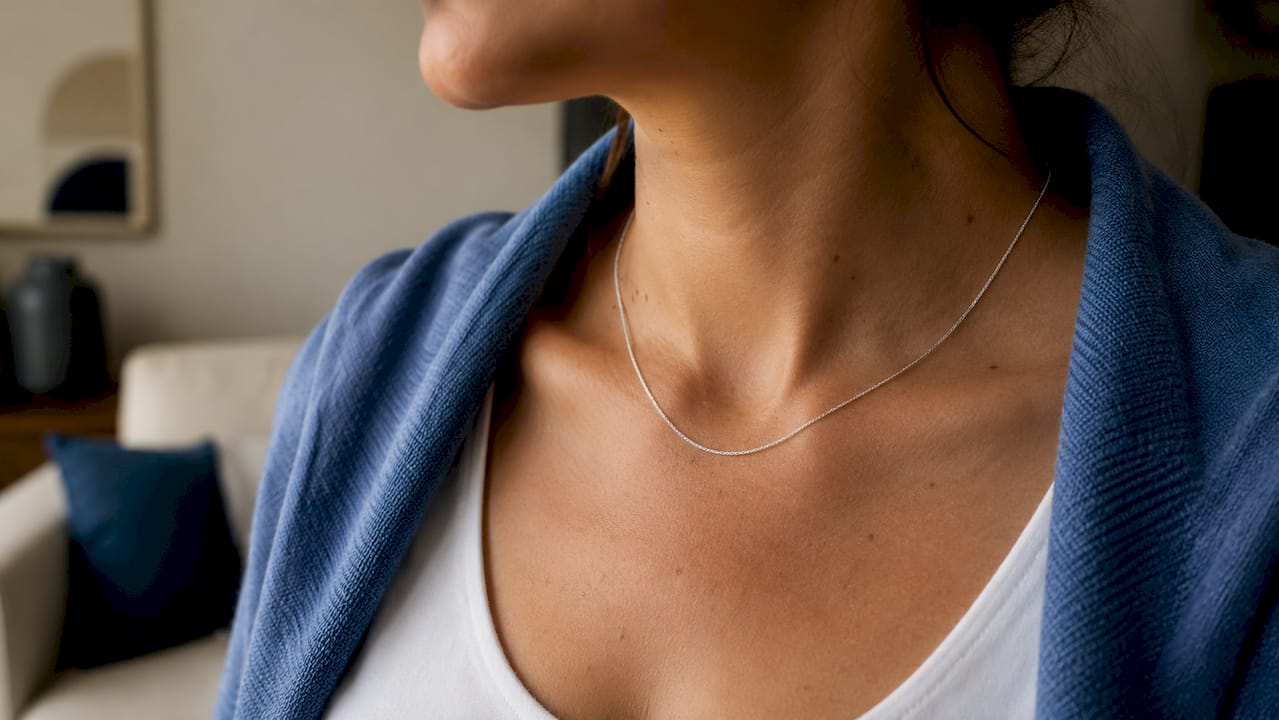
The intentional choice to wear a specific piece on a meaningful day also matters. Pieces worn during special events carry emotional texture that becomes accessible every time they are worn again. This is why gifted jewellery, chosen with care and given at a significant moment, so often becomes the most cherished item in a collection.
Keepsake formation is not passive. It requires:
- Repeated wear across varied life experiences, not just special occasions
- Conscious association, such as choosing to wear a piece on a birthday or anniversary
- Emotional awareness of why the piece matters to you
- Physical comfort, so the piece stays on rather than being stored away
Pro Tip: Choose a piece you can wear every day without thinking about it. The less effort it takes to put on, the more life experiences it will silently collect.
Does material quality affect keepsake value?
The physical durability of a piece determines whether it can survive long enough to carry meaning across decades or generations. Materials like 18k gold or hallmarked silver provide the longevity needed to withstand daily wear and still hold their structure. A piece that tarnishes beyond recovery or snaps after two years cannot become a true heirloom.
Legacy designers consistently emphasise timeless design alongside durable materials as the foundation for passing stories to future generations. This is not about choosing the most expensive option. It is about choosing a piece built to last. Sterling silver hallmarked to the 925 standard, for instance, offers both structural integrity and a timeless appearance that does not date.
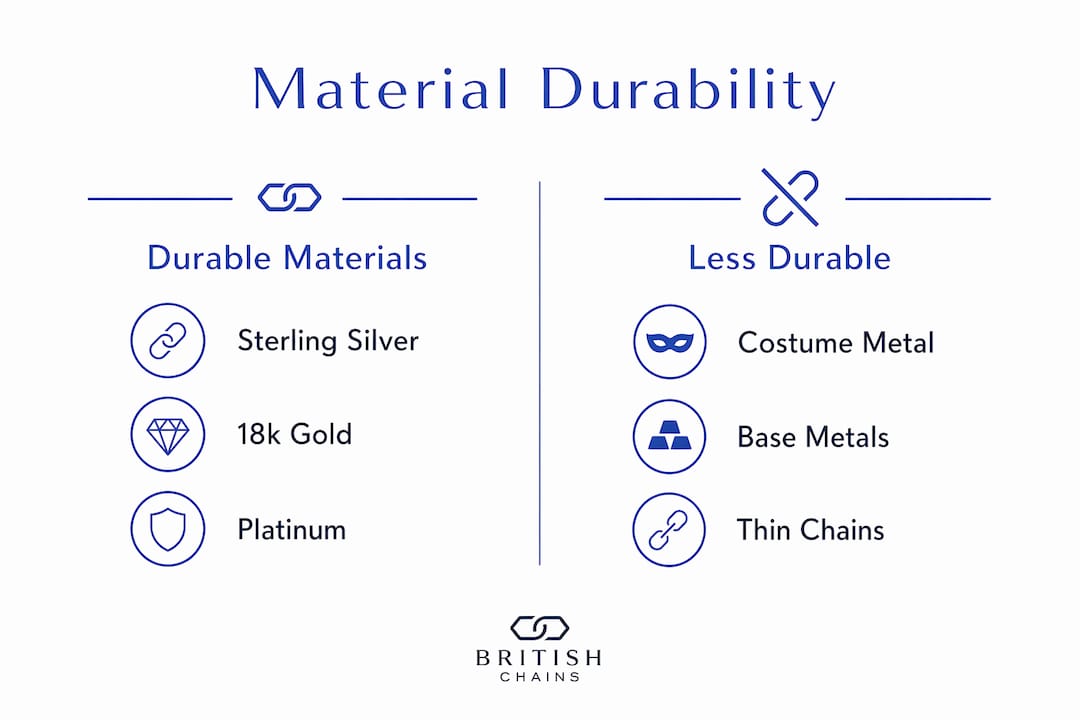
The table below shows how material choice affects keepsake potential:
| Material | Durability | Hallmark standard | Keepsake suitability |
|---|---|---|---|
| Sterling silver (925) | High | UK Assay Office hallmark | Excellent for daily wear |
| 18k gold | Very high | Hallmarked by carat | Strong heirloom potential |
| Gold-plated brass | Low | None required | Poor for long-term keepsakes |
| Silver-plated metal | Low | None required | Not suited to daily wear |
Britishchains produces hallmarked sterling silver chains that meet the 925 standard, which means the metal content is verified and consistent. That verification matters when you want a piece to last long enough to become meaningful.
One counterintuitive truth about keepsake jewellery: scratches and tarnish act as a physical map of experiences, enriching sentimental value rather than diminishing it. A pristine piece locked in a box holds no story. A worn piece tells one.
Pro Tip: Clean your silver regularly but do not obsess over minor surface marks. Those small imperfections are evidence of a life lived while wearing it.
Why simple designs become the most cherished pieces
The most cherished keepsake jewellery pieces are simple, comfortable items that wearers often forget they are wearing. That forgetting is not a sign of indifference. It is the sign of a piece that has fully integrated into daily life.
When jewellery becomes a background sensory experience, it collects emotional associations without demanding attention. You are not thinking about your necklace during your child’s first steps or during a difficult conversation with a parent. But your nervous system registers it. Later, when you hold that piece, those moments surface.
Ornate or delicate designs work against this process. A piece that catches on clothing, requires careful handling, or feels heavy after an hour tends to be stored away rather than worn. Discomfort leads to jewellery being stored rather than worn, which cuts off the emotional bonding process entirely.
Grief experts note that expensive jewellery is not necessary for a cherished keepsake. Simple, worn-in pieces often hold the greatest meaning. The significance of keepsake jewellery comes from accumulated experience, not from the price tag.
When choosing a piece with keepsake potential, prioritise:
- Low profile design that does not snag or require adjustment throughout the day
- Appropriate weight for the wearer’s comfort over long periods
- Versatility so the piece works across different settings and outfits
- Timeless style that will not feel dated in ten or twenty years
You can find practical guidance on value for money jewellery that balances quality with wearability, which is exactly the combination that supports keepsake formation.
How does jewellery act as an emotional anchor?
Memorial and sentimental jewellery provides a physical anchor that reduces distress by offering tangible contact during grief or anxiety. Touching or adjusting a familiar piece triggers a grounding effect. The sensation is immediate and does not require conscious thought.
This is why people instinctively reach for a ring or necklace during stressful moments. The piece reactivates positive memories linked to confidence, love, or achievement. Those memories do not erase the difficulty of the present moment, but they provide a point of stability within it.
Attachment psychology research supports this. Objects worn close to the body become associated with the emotional states present during their use. Over time, the object itself becomes a retrieval cue for those states.
“Jewellery worn during significant life events carries emotional texture that becomes accessible every time it is worn again. The piece does not just remind you of a moment. It returns you to it.”
The practical implications for choosing keepsake jewellery are clear:
- Wear it during meaningful moments, not only on special occasions
- Give it as a gift at a significant time, such as a milestone birthday or a moment of achievement
- Keep it accessible, not locked away in a box between uses
- Pair it with intention, such as choosing to wear it on the anniversary of a loss or a celebration
Custom art forms like bespoke tattoos follow a similar psychological logic: the act of choosing something personal and permanent deepens its emotional resonance over time. Jewellery works the same way, with the added advantage that it can be removed, shared, and passed on.
Key takeaways
Keepsake jewellery is defined by intentional wear, emotional encoding, and durable materials that allow a piece to carry personal memories across years and generations.
| Point | Details |
|---|---|
| Intentional wear builds the bond | Wearing a piece regularly during meaningful moments encodes emotional memories into the object. |
| Comfort drives daily use | Discomfort causes jewellery to be stored away, which prevents keepsake formation entirely. |
| Material quality enables longevity | Hallmarked silver or 18k gold withstands daily wear and supports heirloom potential. |
| Simple designs accumulate the deepest meaning | Understated pieces integrate into daily life and collect more emotional associations over time. |
| Physical wear marks add emotional depth | Scratches and patina tell the story of a life lived, increasing sentimental value rather than reducing it. |
The pieces that stay with you
I have handled a lot of jewellery over the years, and the pieces that genuinely move people are rarely the most expensive ones in the collection. They are the ones with a slight dent on the clasp, or a chain that has been repaired once. Those marks are not flaws. They are evidence.
What strikes me most is how rarely people choose a keepsake deliberately. Most of the time, a piece earns that status through habit and proximity. You wear it because it is comfortable, because someone gave it to you, or because it felt right on a particular morning. Years later, you cannot imagine being without it.
The mistake I see most often is choosing jewellery for how it looks in a box rather than how it feels after eight hours of wear. A piece that lives in a drawer cannot become a keepsake. Only the pieces you actually wear get the chance to absorb your life.
My honest advice: choose something you will forget you are wearing. Choose something built to last. Then wear it on the days that matter, and on the ordinary days too. The ordinary days are where the real story accumulates.
— British
Sterling silver chains built to last a lifetime
Britishchains designs sterling silver chains specifically for the kind of daily, long-term wear that turns a piece of jewellery into something genuinely meaningful. Every chain is hallmarked to the 925 standard, which means the silver content is verified and the structural integrity is built in from the start.
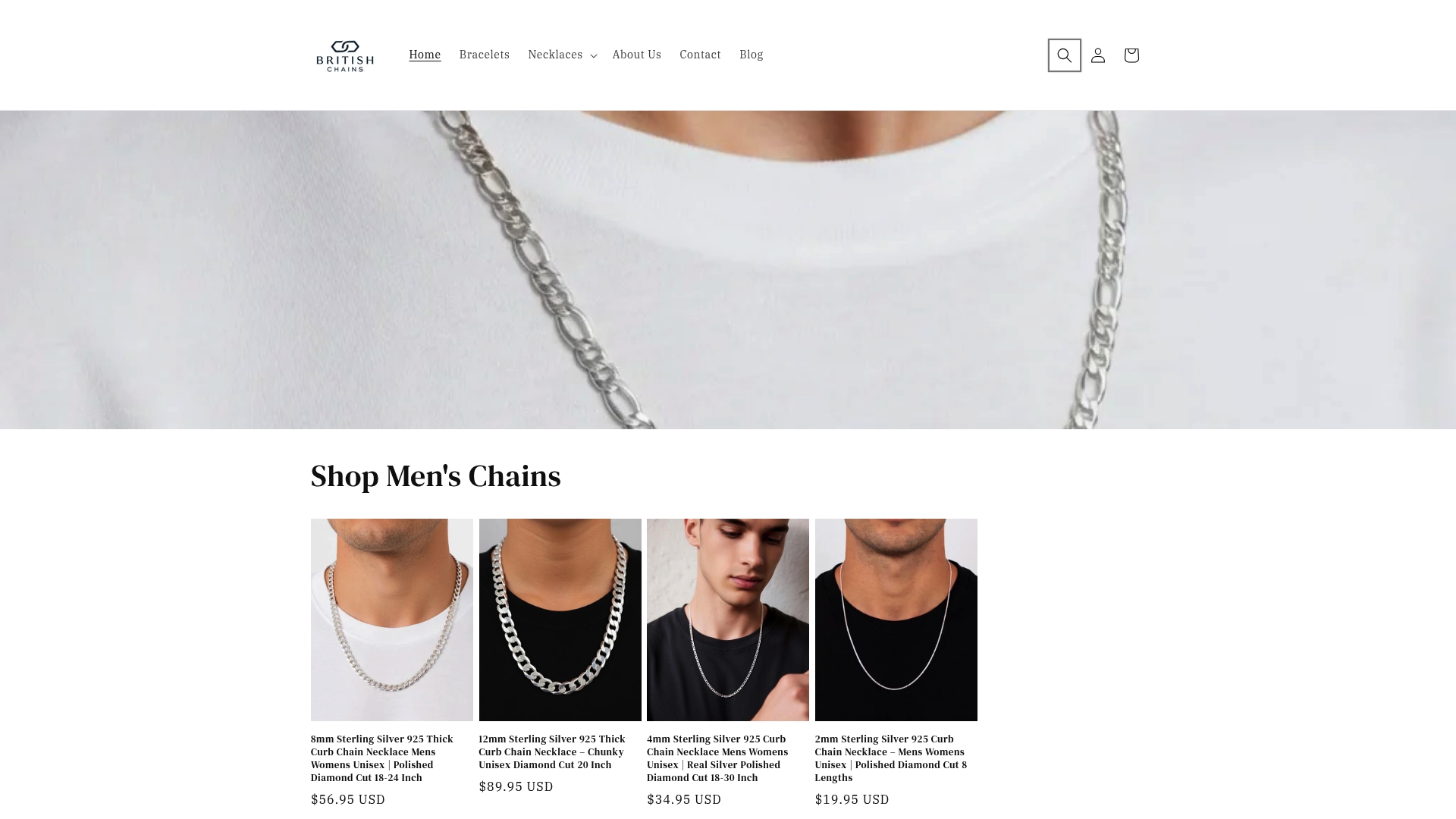
The range includes styles from the slender and understated to the bold and substantial, all designed for comfort across extended wear. The twisted rope chain necklace is a particularly strong choice for everyday wear, combining a timeless diamond-cut finish with the flexibility needed for all-day comfort. For those who prefer a more structured look, the thick curb chain offers the weight and presence of a piece built to be noticed and to last. Both are available in multiple lengths to suit different wearers.
FAQ
What defines a keepsake in jewellery?
A keepsake is any piece of jewellery worn with emotional intention and frequently enough to accumulate personal memories. Price and complexity are not factors. Repeated wear during meaningful moments is what creates the bond.
How do you choose keepsake jewellery?
Prioritise comfort and wearability over ornate design. A piece worn daily during varied life experiences builds emotional significance far faster than one reserved for special occasions.
Does the material matter for sentimental value in jewellery?
Yes, because durability determines longevity. Hallmarked sterling silver and 18k gold withstand daily wear over decades, allowing a piece to become a genuine heirloom rather than deteriorating before it can carry a story.
Can a simple chain become a meaningful keepsake?
A simple chain is often the strongest candidate for keepsake status. Its low profile means it is worn constantly, integrating into daily life and collecting emotional associations across years of use.
Why does jewellery help during grief or difficult times?
Memorial jewellery provides a physical anchor that reduces distress by offering tangible contact with a memory or person. Touching or adjusting a familiar piece triggers a grounding effect that is immediate and instinctive.


