

925 vs 999 silver: which purity actually suits your jewellery?
Choose 925 sterling silver for anything you plan to wear daily, and 999 fine silver for coins, display pieces or sentimental keepsakes you won’t knock about. Sterling’s copper content gives it the strength a chain, clasp or ring needs to survive real life. Fine silver is purer and brighter, at 99.9% silver against sterling’s 92.5%, but that purity comes at the cost of softness that makes it a poor match for anything worn against skin and fabric every day.
TL;DR:
- Sterling silver (925) offers greater durability and resistance to bending, making it ideal for daily-wear jewelry like chains, rings, and small links.
- Fine silver (999) is softer, more prone to scratches and dents, and better suited for investment coins or display pieces that are rarely handled.
- Hallmarked sterling silver from reputable assay offices provides the best guarantee of authenticity and purity, especially in the UK where required by law for items over 7.8 grams.
- Tarnish on sterling silver develops faster due to copper content, but can be prevented or slowed by rhodium plating or Argentium alloys with germanium, which resist tarnish better.
- When choosing jewelry, prioritize matching the metal’s strength and durability to the expected wear, rather than solely chasing higher purity levels.
Table of Contents
- 925 vs 999 silver: what the numbers on the stamp mean
- How 925 and 999 behave: hardness, durability and manufacturing
- Tarnish and appearance: how each ages over time
- Which purity to choose, by item
- Spotting the real thing: hallmarks and verification
- Looking after 925 and 999 silver day to day
- Price, value and what to actually prioritise
- Why Britishchains builds around 925 sterling
- What most buying guides get backwards
- Recommended 925 chains for daily wear
- Sources
925 vs 999 silver: what the numbers on the stamp mean
The numbers refer to millesimal fineness, the standard measure of how much pure silver sits in an alloy per thousand parts. A piece stamped 925 contains 92.5% silver, with the remaining 7.5% almost always copper. Fine silver carries a 999 stamp because it’s approximately 99.9% pure, with barely any alloying metal at all.
That small percentage difference explains most of what follows in this guide. Copper hardens the metal but also reacts with airborne sulphur, while pure silver is softer and more workable. A newer alloy called Argentium swaps some of that copper for germanium, which changes the tarnish behaviour without sacrificing much strength, something we’ll return to later.
- 925 sterling: 92.5% silver, 7.5% copper (typically)
- 999 fine silver: 99.9% silver, negligible alloy content
- Argentium: modern sterling variant (often 935 or 960) using germanium instead of extra copper
In the UK, any silver item over 7.8 grams legally requires independent verification under the Hallmarking Act 1973, so a genuine hallmark is your strongest guarantee that the stamped fineness is accurate rather than a manufacturer’s unverified claim.
How 925 and 999 behave: hardness, durability and manufacturing
Sterling silver wins on toughness, and it isn’t close. The copper in 925 gives the alloy structural strength that pure silver simply doesn’t have, which is why sterling dominates the chain, ring and clasp market. A curb chain or a Figaro link made from 999 would stretch, bend and eventually snap under the kind of daily friction a wallet chain or pendant necklace endures.
Fine silver’s softness isn’t a flaw everywhere. It’s precisely why it’s the standard for investment bullion and coinage, where nobody expects the metal to flex around a wrist forty times a day. But for stone setting, thin chain links or anything holding tension, sterling gives manufacturers a wider margin for error.
- Sterling (925) resists bending, denting and clasp fatigue far better than fine silver
- Fine silver (999) scratches and dents more easily, particularly in thin sections
- Casting and stone-setting are more forgiving with sterling’s added hardness
- Manufacturers favour 925 for thin structural elements like prongs and small links because it cuts down on warranty claims and rework
Pro Tip: If you’re buying a chain you intend to wear most days, check the gauge as well as the purity. A thin 925 chain can still bend under repeated stress, so a thicker link, like an 8mm curb or Figaro, gives you more durability than purity alone ever will.
Tarnish and appearance: how each ages over time
Sterling tarnishes faster, and copper is the culprit. When copper reacts with sulphur compounds in the air, it forms silver sulphide, the dark film jewellers call tarnish. Fine silver, having barely any copper to react, holds its shine noticeably longer, though its softer surface picks up fine scratches more readily, which can dull its brightness in a different way.
Neither trade-off is dramatic enough to rule a metal out on its own. Finishing choices matter more day to day than the raw alloy does.
- Rhodium plating over sterling adds a hard, bright barrier that slows tarnish and scratching alike
- Regular polishing restores shine to both purities but works faster on sterling’s harder surface
- Argentium’s germanium content improves tarnish resistance considerably over traditional copper-alloyed sterling
- Argentium also tends to finish brighter, which appeals to buyers who want low maintenance without switching to fine silver
Which purity to choose, by item
Match the metal to how the piece will actually live, not to which number sounds purer.
- Everyday chains, rings and bracelets — choose 925. Anything that needs to hold its shape through daily wear, catching on jumpers and knocking against surfaces, needs copper’s added strength.
- Coins and bullion — choose 999. Investment-grade silver is valued for purity above all else, and coins aren’t subjected to wearable stress.
- Display pieces and religious or ceremonial items — 999 works well here too, since these pieces are handled occasionally rather than worn constantly.
- Gifts meant to be treasured but rarely worn — fine silver keepsake or commemorative piece fits the brief better than a chain would.
- Low-maintenance daily wear — consider rhodium-plated 925 or an Argentium piece if tarnish resistance matters more to you than tradition.
Spotting the real thing: hallmarks and verification
A stamp reading “925,” “999,” “sterling” or “fine silver” is the first thing to check, but stamps alone aren’t proof. Genuine assurance in the UK comes from an independent hallmark applied by one of the assay offices, which confirms the fineness has actually been tested rather than just claimed by the maker.
- Look for the full hallmark set: fineness mark, assay office mark and maker’s mark
- Ask sellers directly whether pieces are hallmarked and by which assay office
- Britannia silver (958.4 fineness) and Argentium pieces carry their own distinct marks, worth recognising separately from standard 925 and 999 stamps
- For anything expensive or unmarked, request documentation or have it independently tested before buying
Britishchains’ own guide to sterling silver hallmarks breaks down what each mark on a UK-made piece actually represents, and it’s worth five minutes before any significant purchase.
Looking after 925 and 999 silver day to day
Storage habits do more heavy lifting than any cleaning product. Keep silver in an airtight pouch or a lined box away from humidity, and remove it before swimming, showering or applying perfume, since chlorine and sulphur-based products accelerate tarnish on both purities.
- Wipe pieces with a soft cloth after wearing to remove oils and moisture
- Use a proper silver polish or cloth for sterling; fine silver needs gentler, less abrasive care given its softer surface
- Save ultrasonic cleaners and professional dips for pieces without stones or delicate settings
- Rhodium-plated or Argentium pieces need less frequent polishing, which suits anyone who wants shine without upkeep
Pro Tip: Store silver chains flat and separated rather than tangled together in a drawer. Chains left knotted for months develop tension points that wear thinner over time, regardless of purity.
Britishchains’ breakdown of why sterling silver tarnishes covers the chemistry in more depth if you want to understand exactly what’s happening on the surface.
Price, value and what to actually prioritise
Purity alone doesn’t set the price of a finished piece. Weight, design complexity and workmanship drive the final cost as much as the fineness stamped on it, which is why an intricately made 925 chain can easily cost more than a plain 999 coin of similar weight. If you’re weighing up silver as a store of value rather than jewellery, it’s worth tracking silver price trends separately from what you’d pay for a finished, hallmarked piece.
- Decide the purpose first — daily wear points to 925, display or investment points to 999
- Check for a genuine hallmark, not just a stamped number
- Compare finish options, since rhodium plating or Argentium changes maintenance needs
- Confirm returns and warranty terms before buying online
- Favour a well-made 925 piece over a purer but flimsier alternative if you’ll be wearing it often
Why Britishchains builds around 925 sterling
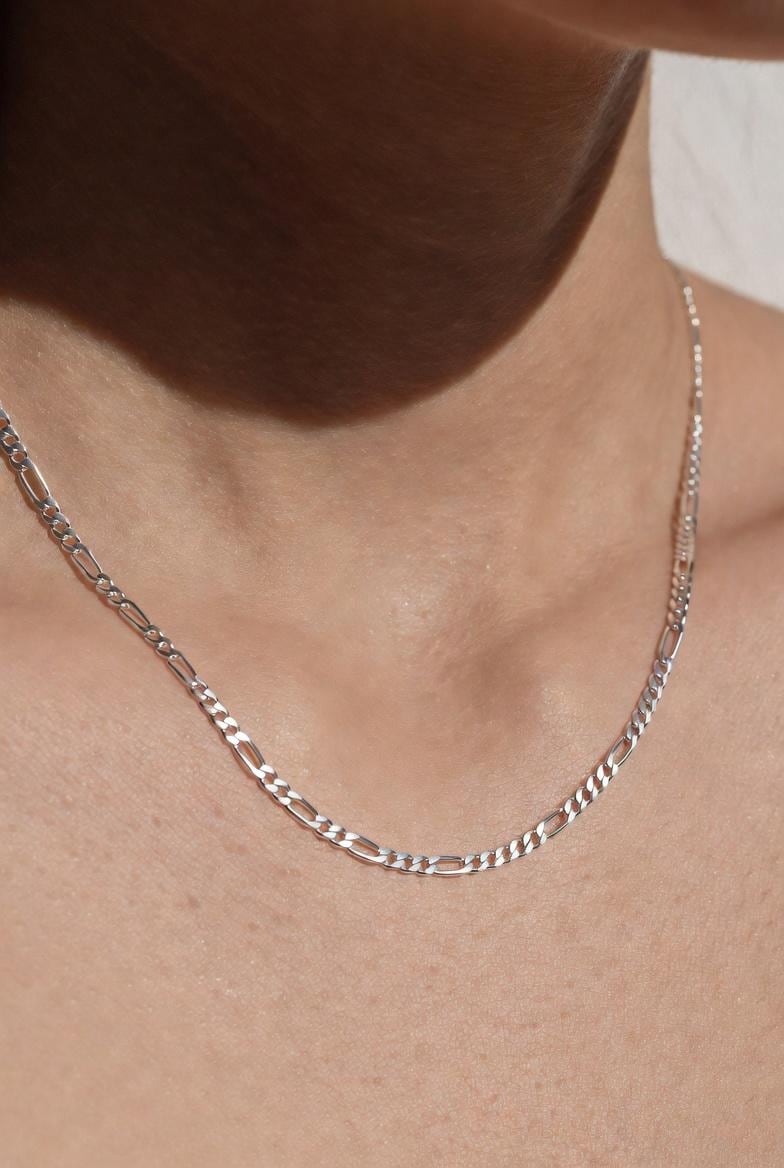
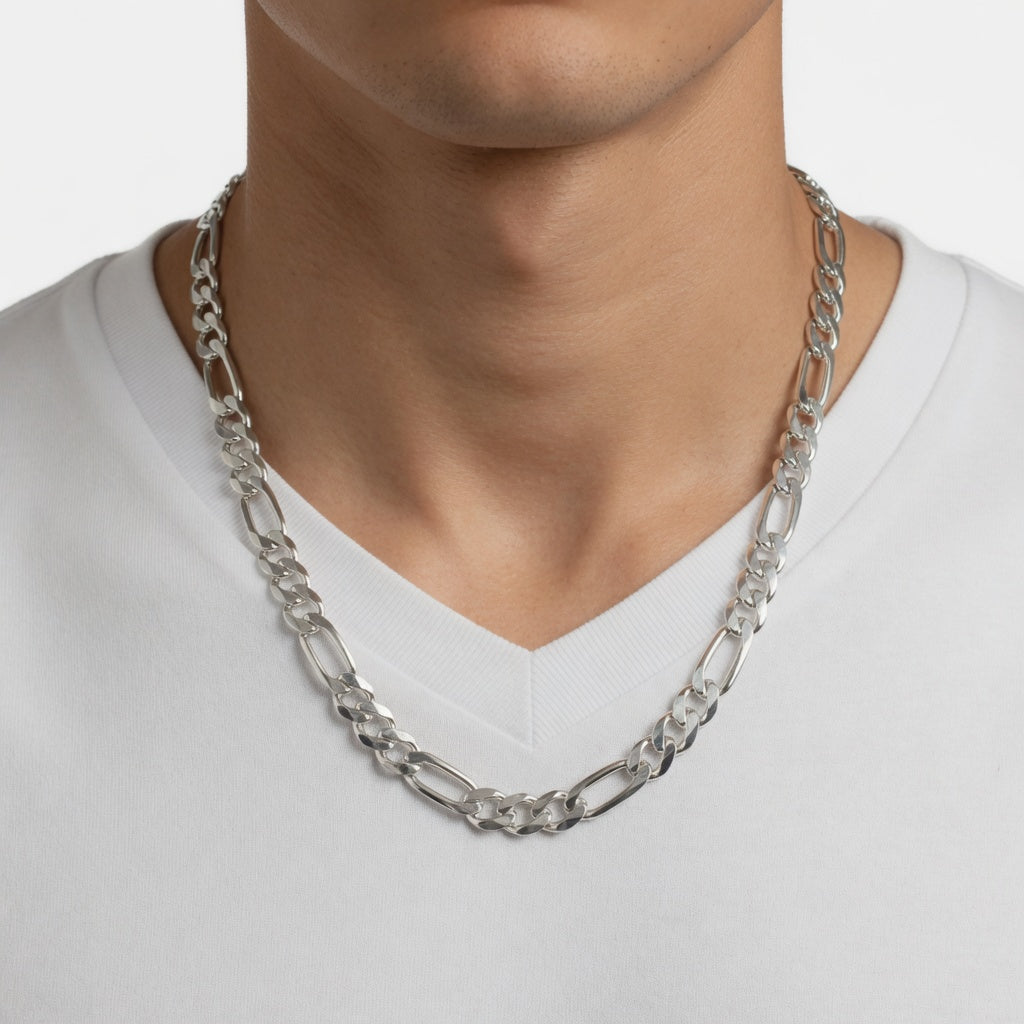
Britishchains works exclusively in hallmarked 925 sterling silver because it’s the standard that holds up to how chains are actually worn, not just how they look on a shelf. Every piece carries UK hallmarking as independent proof of fineness, backed by guides like the one on what 925 sterling silver actually means for buyers who want the detail behind the stamp. The 8mm thick Figaro chain suits heavier daily wear, while the 2mm curb chain and 2mm Figaro chain offer slimmer, everyday alternatives without giving up sterling’s durability.
What most buying guides get backwards
Most comparisons treat 999’s purity as an unqualified virtue and frame 925 as the compromise metal, the “impure” option you settle for. That framing gets the priorities backwards for anyone actually buying jewellery to wear. Purity isn’t the goal. Durability is, and copper’s presence in sterling isn’t a flaw to tolerate, it’s the entire reason the alloy exists.
The overlooked nuance is that fine silver’s softness isn’t a minor downside, it’s a structural limitation that rules it out for most jewellery categories outright, not just a slight compromise you trade for shine. Meanwhile, sterling’s tarnish tendency gets treated as a dealbreaker when it’s really a maintenance habit, not a design failure. A cloth and a jewellery box solve it in seconds.
What buyers should prioritise first is matching the metal to the use, not chasing the highest fineness number on the tag. A hallmarked 925 chain worn daily for a decade delivers more value than a 999 piece that needs babying from day one. If tarnish genuinely bothers you, look at Argentium or rhodium plating before writing sterling off entirely, since it solves the actual complaint without giving up strength.
— British
Recommended 925 chains for daily wear
If you’ve decided sterling suits your needs, as it does for most people buying jewellery to actually wear, three chains cover most requirements without overcomplicating the choice.
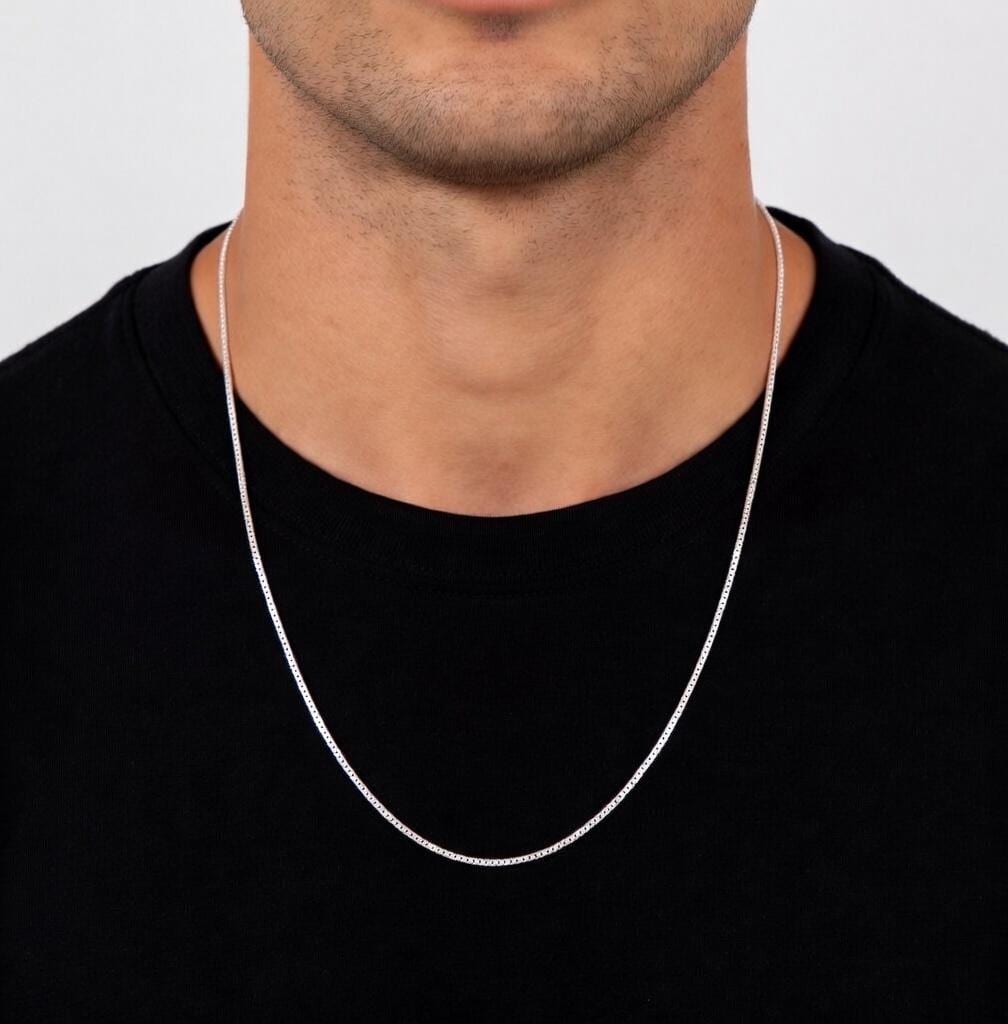
The 8mm thick Figaro chain suits anyone wanting a statement piece with real substance, its diamond cut finish catching light without needing rhodium plating to stay bright. For something slimmer and more versatile, the 2mm curb chain comes in eight lengths and works equally well layered or worn alone. The 2mm Figaro chain sits between the two, offering the Figaro’s distinctive link pattern in a lighter, everyday gauge.
Measure an existing chain you like the length of rather than guessing, and check the clasp type suits how you’ll be putting it on and taking it off daily. Britishchains’ guide to choosing a chain bracelet covers sizing logic that applies just as well to necklaces. Every piece ships hallmarked, with clear sizing and returns information listed on each product page, so checking fit and finish before you buy takes minutes, not guesswork.
Sources
- Silver standards
- Hallmarking Act 1973
- 925 vs 999 Silver: Which Is Better for Manufacturing Jewelry?
- Argentium vs Sterling Silver: What’s the Difference?


