

Types of sterling silver finishes: your 2026 guide
Sterling silver finishes are the surface treatments applied to 925 silver jewellery to control its appearance, protect it from tarnish, and determine how it ages over time. The finish on a piece is not decorative afterthought. It defines how the jewellery looks on day one, how it holds up under daily wear, and how much maintenance you will need to put in. The most common types of sterling silver finishes include rhodium plating, oxidised patina, anti-tarnish lacquers, and mechanical textures such as matte, brushed, and hammered. Each one suits a different wearer, occasion, and budget.
1. What is rhodium plating on sterling silver?
Rhodium plating is the most widely used finish in retail sterling silver jewellery. Rhodium belongs to the platinum group of metals and produces a surface that is bright, white, and exceptionally hard. Rhodium plating lasts between 1 and 3 years depending on how often you wear the piece and how much friction it receives. That lifespan means rings and bracelets need replating sooner than pendants or earrings.
The finish creates a mirror-like shine that is noticeably whiter than bare sterling silver. This makes it the go-to choice for bridal jewellery, formal pieces, and anything sold as a gift. Rhodium plating costs more than anti-tarnish coatings but delivers a harder, more reflective surface in return. The trade-off is that replating adds a recurring cost over the life of the piece.
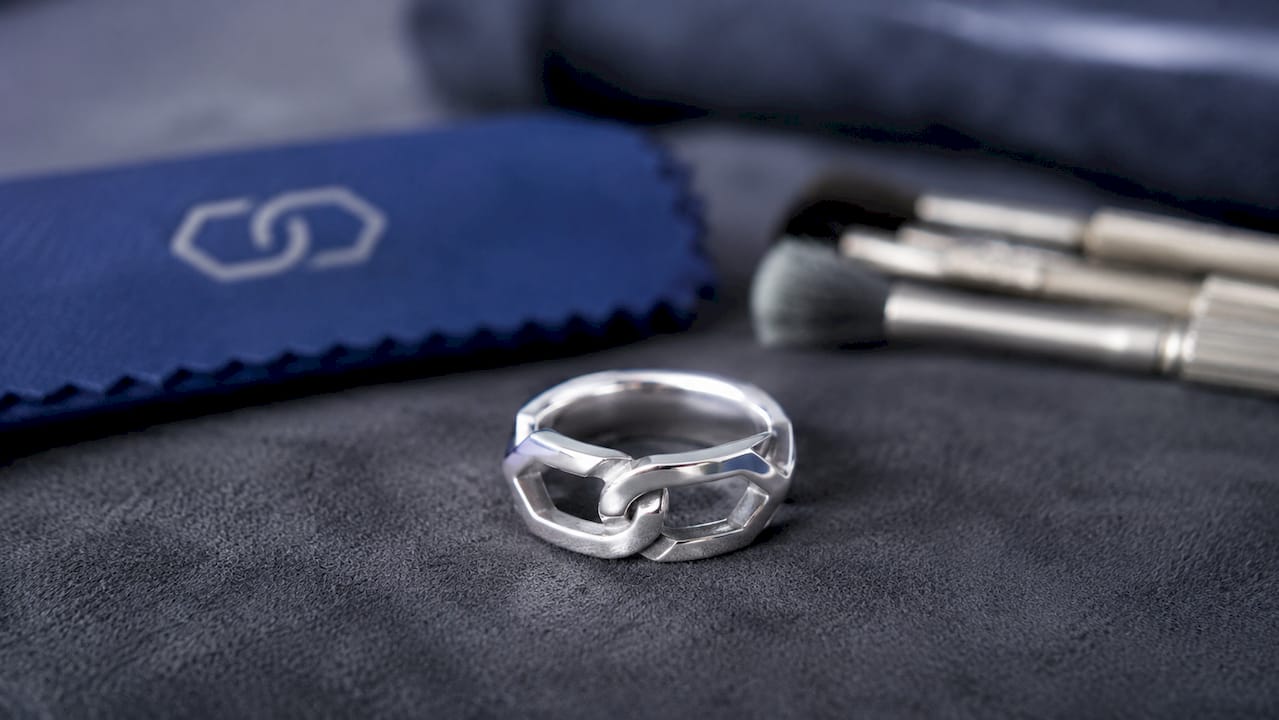
Black rhodium is a variant worth knowing about. It produces a dark, gunmetal surface rather than the classic bright white. Black rhodium suits contemporary and gothic-inspired designs and holds up similarly to standard rhodium in terms of durability.
Key advantages of rhodium plating:
- Resists tarnish more effectively than bare silver
- Produces the brightest, whitest surface of any silver finish
- Harder than sterling silver, so it resists surface scratches
- Available in standard white and black variants
- Ideal for high-lustre chains, pendants, and bridal rings
Pro Tip: Have rhodium-plated pieces replated at a jeweller before the finish wears through completely. Replating over worn plating is easier and cheaper than replating bare silver.
2. How does oxidised silver finish work?
Oxidised silver is created by deliberately darkening the surface of sterling silver through chemical treatment. The standard method uses liver of sulphur, a compound that reacts with the silver to produce a dark grey or black patina. This chemical darkening does not alter the 92.5% sterling silver base. The effect is entirely surface-level, which means the structural integrity of the metal remains unchanged.
The result is a high-contrast, vintage appearance that suits tribal, bohemian, and antique-inspired designs. Recessed areas darken more deeply while raised surfaces catch the light, creating a three-dimensional effect that polished silver cannot replicate. This finish is particularly effective on detailed or engraved pieces where the contrast between dark and bright areas defines the design.
One practical advantage is that oxidised finishes hide fine scratches far better than polished surfaces. The dark, uneven tone absorbs minor marks rather than reflecting them. Over time, the patina develops further and the piece gains a genuinely lived-in character that many wearers find more appealing than a factory-fresh shine.
What to know before choosing an oxidised finish:
- Avoid silver polishing cloths, which will strip the patina
- Clean with warm water and a soft cloth only
- Exposure to sunlight and air will deepen the patina naturally over time
- The finish can be refreshed or removed by a jeweller if your taste changes
- Not suitable for wearers who prefer a bright, reflective look
Pro Tip: Store oxidised silver separately from other jewellery. Contact with polishing agents or abrasive surfaces will lift the patina unevenly.
3. What are anti-tarnish lacquers and polymer coatings?
Anti-tarnish lacquers and polymer coatings are clear protective layers applied over bare sterling silver to slow tarnishing without changing the metal’s natural colour. They act as a physical barrier between the silver and the sulphur compounds and moisture in the air that cause tarnish. These coatings last between 6 months and 2 years before they begin to break down and require reapplication.
The main appeal is that they preserve the natural warm tone of sterling silver rather than altering it. Rhodium plating makes silver look whiter and brighter. Lacquers keep it looking exactly as it is. For buyers who want the authentic silver colour without the maintenance burden of polishing, this finish is a practical middle ground.
The cost is lower than rhodium plating, making lacquers a common choice for everyday jewellery at accessible price points. The limitation is durability. Lacquers are not as hard as plating and will wear away faster on high-friction pieces such as rings and bracelets.
| Finish type | Typical lifespan | Cost level | Appearance change |
|---|---|---|---|
| Rhodium plating | 1–3 years | High | Whiter, brighter |
| Anti-tarnish lacquer | 6 months–2 years | Low to medium | None |
| Polymer coating | 6 months–2 years | Low to medium | None |
Pro Tip: If a lacquered piece starts to look patchy or dull in spots, that is the coating breaking down unevenly. A jeweller can strip and reapply it cleanly.
4. How do matte, brushed, and hammered finishes affect silver jewellery?
Matte, brushed, and hammered finishes are mechanical surface treatments rather than chemical coatings. They alter the texture of the silver itself by abrading or striking the surface in controlled ways. The result is a piece that reflects light differently from polished silver and wears differently over time.
A matte finish is created by treating the surface with fine abrasives to produce a flat, non-reflective appearance. Matte and brushed finishes hide fine scratches better than high-polished surfaces, which makes them well suited to pieces worn every day. The surface absorbs minor marks rather than highlighting them, so the piece looks presentable for longer between cleans.
A brushed finish uses a wire brush or abrasive pad applied in one direction, leaving fine parallel lines across the surface. The effect is softer than a full matte and catches light in a subtle, directional way. Hammered finishes are created by striking the silver with a ball-peen hammer or textured tool, leaving a faceted, irregular surface that scatters light in multiple directions. This finish suits artisanal and handcrafted aesthetics particularly well.
Comparing mechanical texture finishes:
- Matte: Flat, non-reflective, hides scratches, suits minimalist designs
- Brushed (satin): Soft sheen with directional lines, versatile for casual and formal wear
- Hammered: Faceted, irregular surface, strong artisanal character
- Florentine: Cross-hatched pattern created by engraving tools, traditional and detailed
All mechanical finishes will gradually smooth out with wear, eventually developing a natural polish in the areas that receive the most contact. This is not damage. It is a natural evolution of the piece.
Pro Tip: A satin or brushed finish on a sterling silver chain worn daily will develop a gentle polish at the highest contact points over months, giving it a two-tone character that looks intentional.
5. Multi-layer plating: the premium option
Multi-layer plating sequences, such as silver-palladium-rhodium, represent the most durable finishing method available for sterling silver jewellery. Multi-layer plating prevents copper migration and extends finish longevity well beyond what single-layer plating achieves. This matters because sterling silver’s copper content causes tarnish and firescale, and each plating layer acts as an additional barrier against those effects.
The palladium layer sits between the silver and the rhodium, blocking copper from migrating to the surface. The rhodium top layer then delivers the bright, hard finish. The result is a mirror-like brilliance that lasts longer than standard single-layer rhodium. This approach is used on luxury and bridal pieces where finish longevity justifies the higher cost.
For most everyday jewellery buyers, single-layer rhodium plating is sufficient. Multi-layer plating becomes relevant when you are investing in a piece you intend to wear for decades without frequent replating.
6. Which finish suits your lifestyle and style preferences?
The right finish depends on three factors: how often you wear the piece, what aesthetic you prefer, and how much maintenance you are willing to do. Matching finish to wear patterns is the most reliable way to choose. High-friction pieces worn daily, such as rings and bracelets, benefit from harder finishes like rhodium plating. Pendants and earrings worn occasionally can use lacquer or remain uncoated.
If you prefer a bright, clean look and do not mind occasional replating, rhodium plating is the best choice. If you want a low-maintenance piece with character that improves with age, an oxidised or matte finish will serve you better. If you want the natural silver colour without the tarnish, a lacquer coating is the most straightforward option.
Finish recommendations by piece type and use:
- Daily-wear rings: Rhodium plating or matte finish for durability
- Sterling silver chains worn daily: Rhodium plating or brushed finish; see guidance on everyday silver wear
- Bracelets: Rhodium plating for high-friction areas; lacquer for occasional wear
- Statement pendants: Any finish works; oxidised suits detailed or engraved designs
- Bridal jewellery: Rhodium plating for maximum brightness and longevity
For care across all finish types, gentle cleaning agents free from ammonia, alcohol, and acid preserve both the silver and any protective coating better than harsh polishes. A soft cloth and mild soap are sufficient for most finishes. You can find detailed guidance in the Britishchains jewellery care guide.
Key takeaways
The finish on sterling silver jewellery determines its appearance, tarnish resistance, and maintenance needs more than any other single factor.
| Point | Details |
|---|---|
| Rhodium plating lasts 1–3 years | It is the brightest and hardest finish, best for daily-wear and bridal pieces. |
| Oxidised finishes hide scratches | Chemical darkening creates a vintage look and improves with age rather than degrading. |
| Lacquers preserve natural silver tone | They cost less than plating but need reapplication every 6 months to 2 years. |
| Mechanical textures suit daily wear | Matte and brushed finishes absorb minor marks and develop character over time. |
| Match finish to wear frequency | High-friction pieces need harder finishes; occasional-wear pieces can use lighter coatings. |
What I have learned from years of wearing sterling silver
The advice I give most often is this: do not choose a finish based on how a piece looks in a photograph. Choose it based on how you actually live. A high-polish rhodium-plated chain looks extraordinary on day one. If you wear it every day, swim in it, and forget to take it off at the gym, you will see wear through the plating within a year. That is not a product failure. It is a mismatch between finish and lifestyle.
The finish I personally find most underrated is the brushed or satin finish. It looks understated at first, but it ages in a way that polished silver simply does not. The high-contact areas develop a gentle shine while the rest of the piece retains its texture. After six months of daily wear, it looks like something you have owned for years. That is a quality that no amount of replating can replicate.
My practical advice for prolonging any finish: clean sterling silver chains with warm water and a soft cloth after wearing, store pieces individually to prevent abrasion, and keep them away from perfume, chlorine, and hand sanitiser. Those three habits will extend the life of any finish by a significant margin, regardless of which type you choose.
— British
Britishchains sterling silver chains: finish meets craftsmanship
Britishchains designs and sells hallmarked sterling silver chains and necklaces crafted in the UK, with a focus on quality that holds up to real wear. Every piece is made from 925 sterling silver and finished to a standard that reflects British hallmarking requirements.
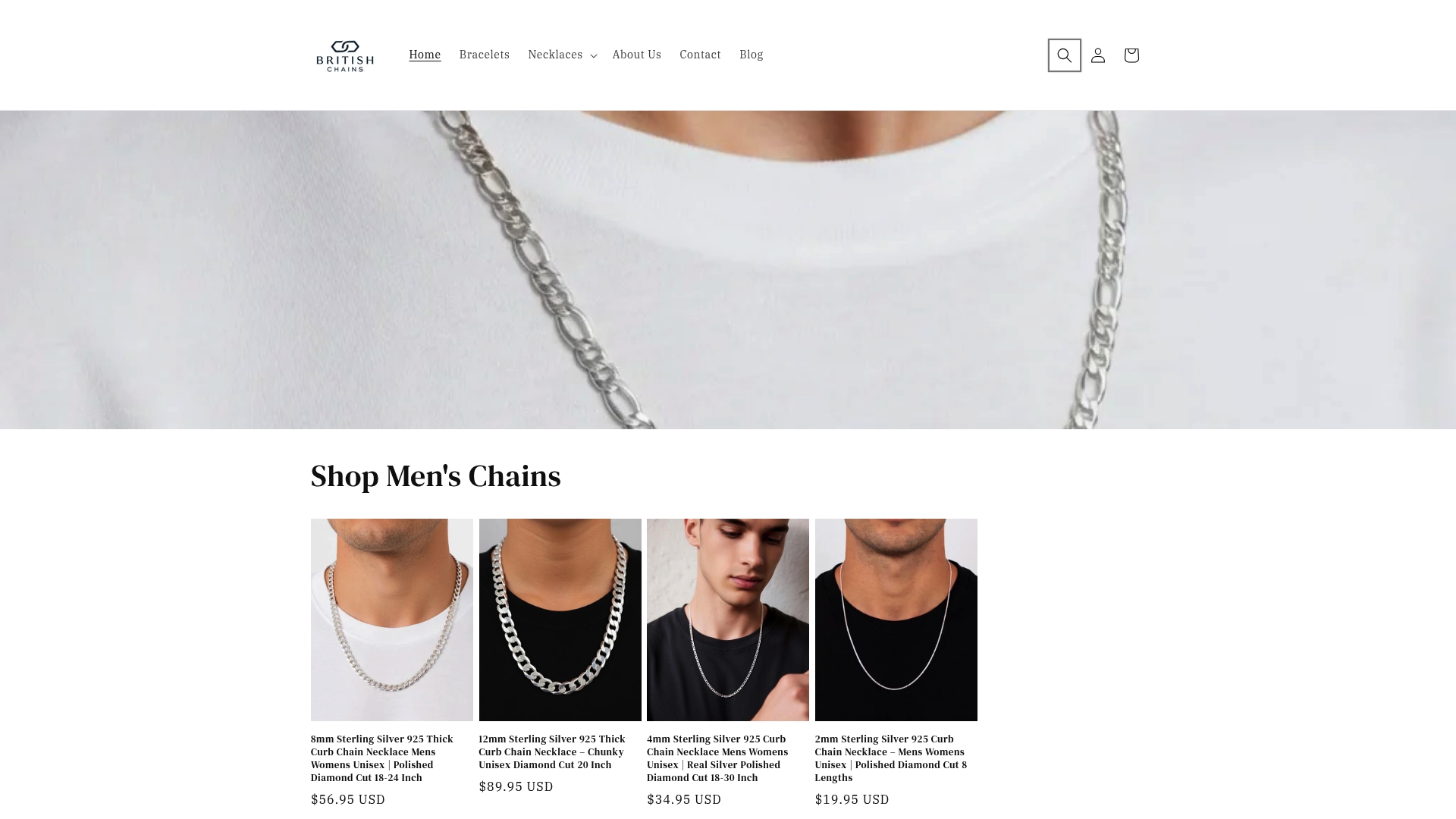
The 8mm polished curb chain is one of the most popular pieces in the collection, featuring a high-polish diamond-cut finish that catches light from every angle. For a finer option, the 2mm Figaro chain offers the same polished finish in a lighter, more versatile silhouette. Both are available in multiple lengths and suit everyday wear as well as formal occasions. Browse the full collection at Britishchains to find the finish and style that fits your wear habits.
FAQ
What finish does sterling silver come with by default?
Most sterling silver jewellery is sold with a high-polish finish, which is the natural result of buffing and polishing the metal. Some pieces receive rhodium plating over this base to enhance brightness and tarnish resistance.
How long does rhodium plating last on sterling silver?
Rhodium plating typically lasts between 1 and 3 years, depending on how frequently the piece is worn and how much friction it receives. Rings and bracelets wear through plating faster than pendants or earrings.
Does an oxidised finish wear off over time?
Oxidised finishes are durable but not permanent. Regular polishing or contact with abrasive surfaces will gradually lift the patina. Avoiding silver polishing cloths and cleaning gently with water preserves the finish for longer.
Is a matte finish harder to maintain than a polished finish?
A matte finish is generally easier to maintain for daily wear because it hides fine scratches and minor marks more effectively than a polished surface. High-polish finishes show micro-scratches quickly and require more frequent attention.
Can I change the finish on my sterling silver jewellery?
A jeweller can strip and reapply most finishes, including rhodium plating and oxidised patina. Mechanical finishes like matte or brushed can be re-applied using abrasive tools. The underlying 925 silver is unaffected by surface treatments.


