

Avoid Snags: When Diamond Cut Curb Chains Make Sense for UK Buyers
Diamond cut means the chain’s links have been carved with tiny angled facets rather than left smooth, and no actual diamonds are involved anywhere in the process. On a curb chain, this faceting catches light from multiple angles at once, giving each link a sparkle that a plain, polished curb simply cannot produce. The trade-off is texture: those same facets create tiny edges that can snag on wool jumpers or fine hair, a point worth weighing before you buy.
TL;DR:
- Diamond cut chains feature dozens of tiny facets that catch and scatter light, creating more sparkle and a premium appearance on any chain style.
- Wider links in diamond cut chains display the facets more prominently, making the chain look significantly more showy, especially at 8mm or larger widths.
- The textured facets can cause snagging on soft fabrics, hair, or delicate jewelry, requiring careful handling and regular gentle cleaning to maintain the finish.
- The cost of diamond cut is mainly influenced by the chain’s construction, with solid links being more expensive and durable than hollow ones, while the finish itself does not automatically increase price.
- Choosing the right chain depends on wear frequency, link width, construction type, and the level of sparkle desired, with moderation recommended for daily use to balance appearance and practicality.
Table of Contents
- What is diamond cut, and how do manufacturers create it?
- How does a diamond-cut curb chain look and feel when worn?
- Are diamond-cut chains worth the extra sparkle, and what do they cost?
- How do you choose the right diamond-cut curb chain?
- Why trust this explanation of diamond cut?
- The one thing most guides get wrong about diamond cut
- Ready to see diamond cut on a curb chain in person?
- Sources
- FAQ
What is diamond cut, and how do manufacturers create it?
Diamond cut is a decorative finishing technique, not a material or a gemstone setting. Jewellers carve precision facets into the surface of each link using diamond-tipped tooling or fine milling equipment, the same principle used to grind a gemstone facet, just applied to metal instead. The name comes purely from that visual resemblance to a cut diamond’s faceting, and there are no actual diamonds or gemstones involved at any stage.
Compare that to the two other common finishes:
- Plain (polished) curb: smooth, rounded links buffed to a uniform shine, with no cutting at all.
- Bevelled: an angled chamfer cut along the edge of the link, a single flat rather than multiple tiny facets, which gives some texture with far less snag risk.
- Diamond cut: dozens of small, precise facets across the link surface, maximising the number of angles that catch and scatter light.
Sterling silver, gold and platinum all take this finish well because they’re soft enough to mill accurately but dense enough to hold sharp facet edges over years of wear. For a closer look at how the process changes a chain’s finish, Britishchains’ own diamond cut sterling silver chain guide walks through it link by link.
How does a diamond-cut curb chain look and feel when worn?
Every facet on a diamond-cut link acts like a tiny mirror angled slightly differently from its neighbours. Multiply that across dozens of links and you get a chain that flickers and shifts with movement, rather than reflecting one flat gleam the way a plain-polished curb chain does. It’s the difference between still water and water with a slight ripple across it. Here’s what to expect once it’s actually on your wrist or neck:
- Sparkle scales with width. Narrower links show subtler faceting, while wider, chunkier profiles display the cuts far more prominently, which is why an 8mm or 12mm diamond-cut curb reads as noticeably showier than a 2mm version.
- Texture is real, not just visual. Run a finger along the links and you’ll feel distinct ridges, unlike the smooth glide of a plain finish.
- Snagging happens at the edges. Fine knits, delicate hair, and soft scarves are where the facets are most likely to catch.
- Comfort holds up fine for daily wear. The facets don’t affect how the chain sits or drapes, only how it interacts with fabric and skin contact.
Pro Tip: Keep a diamond-cut chain away from abrasive contact, like gym equipment or rough countertops, and give it an occasional gentle polish with a silver cloth rather than a cleaning liquid, which can dull the sharp edges of the facets over time.
Are diamond-cut chains worth the extra sparkle, and what do they cost?
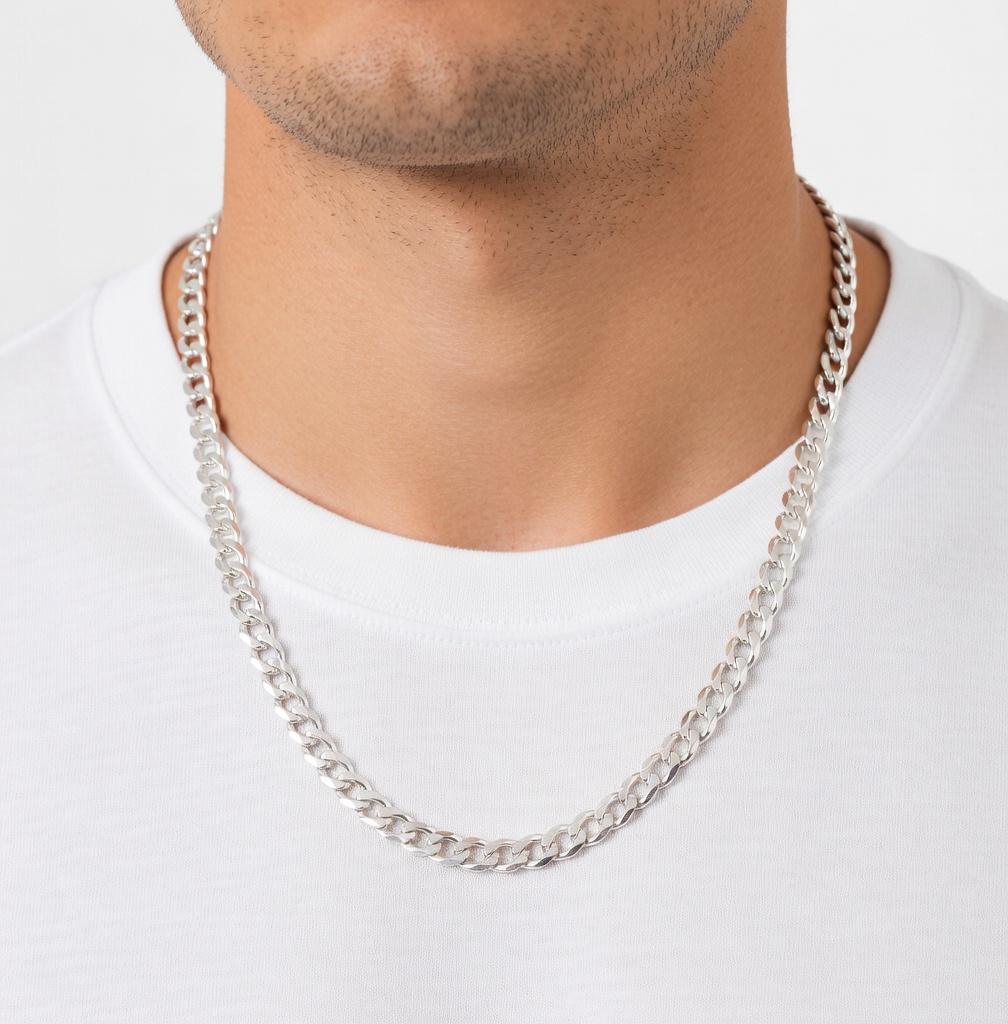
The upside is straightforward: you get a visibly more expensive-looking chain without adding a single gemstone, which is exactly why the finish sells so well at every price point. The catch is that the same facets responsible for the sparkle are also where wear shows first.
Benefits:
- Noticeably more light reflection and shine than a plain finish on the same chain style.
- A premium, jewellery-counter look achieved through cutting technique alone.
Drawbacks:
- Higher snag risk on delicate fabrics and hair, as already covered.
- Facet edges can soften slightly with years of abrasive daily wear, muting the sparkle.
- Cleaning takes a touch more care to avoid flattening the cut.
On pricing, diamond cut isn’t automatically more expensive than plain. The bigger cost drivers are solid versus hollow link construction and overall metal weight, with hollow links cutting cost but denting more easily. Diamond-cut finishes have become a strong seller across the market precisely because they lift perceived value without pushing the price much beyond a plain chain of the same width and construction.
How do you choose the right diamond-cut curb chain?
Work through this in order, and you’ll land on the right chain faster than scrolling through dozens of listings.
- Decide how often you’ll wear it. Daily wear favours a slightly less aggressive facet cut and solid construction; occasional statement pieces can lean into a bolder diamond cut without the same wear concerns.
- Pick a width for your purpose. A 2mm chain gives subtle, everyday sparkle, ideal under a collar or paired with a pendant, while an 8mm to 12mm width delivers the full statement effect diamond cut is known for.
- Check solid versus hollow on the product page. Solid links cost more but resist dents; hollow links are lighter and cheaper but more vulnerable to knocks.
- Confirm the hallmark and silver purity. Genuine sterling silver should carry a 925 hallmark, a detail worth checking before you commit.
- Look closely at product photos. Zoomed-in shots should show clean, even facets across every link, not just the ones nearest the camera.
Britishchains’ own silver curb chain necklace buying guide covers these same construction checks in more depth if you want a second pass before ordering.
Why trust this explanation of diamond cut?
Some retailers specialise in sterling silver unisex chains, including curb, Figaro, rope, snake, herringbone and box styles, often carrying hallmarking as standard. That focus means the product pages you’ll browse alongside this guide are written by people handling diamond-cut and plain finishes across dozens of widths every week, not generalist retailers dabbling in jewellery.
A few resources worth cross-referencing before you buy:
- The diamond cut vs plain silver comparison, which sets the two finishes side by side on look, feel and upkeep.
- A curb chain necklace review covering real-world wear notes rather than just spec sheets.
- The curb vs Cuban chain comparison, useful if you’re still deciding on link profile before settling on a finish.
Each hallmarked piece carries the silver purity stamp expected of UK-made sterling silver, giving you a way to verify quality beyond a seller’s own description.
The one thing most guides get wrong about diamond cut
Most explainers treat diamond cut as a simple upgrade: more sparkle, same chain, no downside. That’s not quite honest. The facets that make a curb chain sparkle are the same facets that catch on your jumper, and nobody selling the finish likes to lead with that.
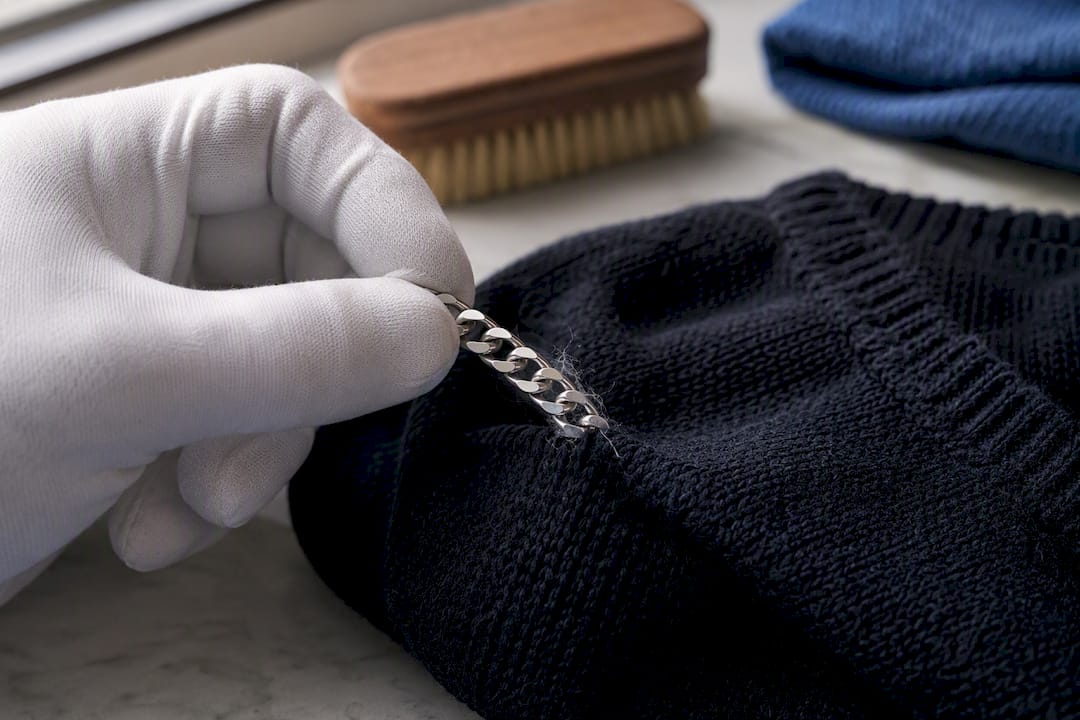
The advice that actually matters isn’t “buy diamond cut for the shine.” It’s matching the finish to how you actually live. Someone who wears a chain daily under shirts and jumpers is better served by a moderate facet cut on solid links, not the boldest sparkle in the catalogue. Someone buying a statement piece for occasional wear can chase maximum sparkle without much practical cost, because it isn’t rubbing against fabric eight hours a day.
If there’s a genuine middle ground the conventional advice skips, it’s the bevelled finish, a single angled edge rather than dozens of tiny facets, which gives some visual texture with far less snagging risk. Worth asking about if diamond cut sounds like too much upkeep.
— British
Ready to see diamond cut on a curb chain in person?
Reading about facets only gets you so far. Some retailers carry diamond-cut curb chains across a range of widths, so you can match the finish to how bold or subtle you want the sparkle to be.
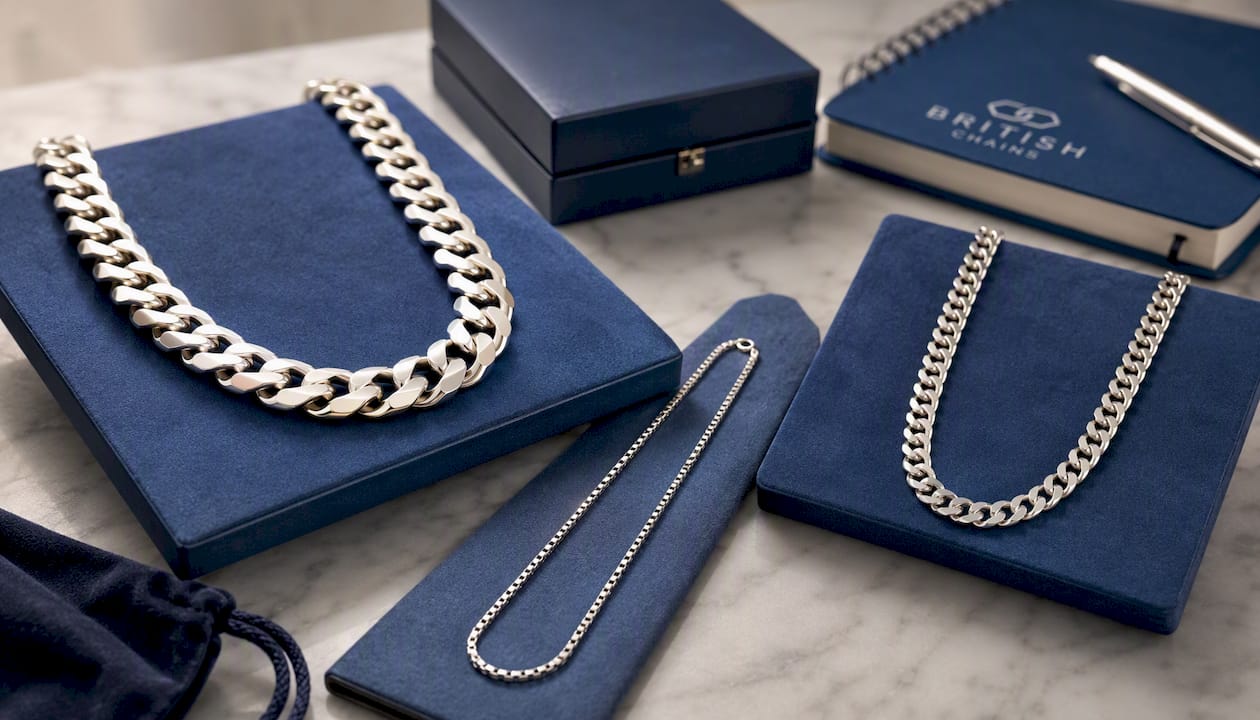
For a bold, statement-piece feel, the 12mm sterling silver curb chain shows off the diamond-cut effect at its most dramatic, chunky links, 20 inches, and the kind of sparkle that catches attention across a room. If you’d rather keep things understated, the 2mm diamond-cut box chain delivers subtle shine in four length options, ideal for everyday wear or layering under a pendant. Sitting between the two, the 8mm diamond-cut curb chain gives noticeable sparkle without tipping into “statement piece” territory, and comes in lengths from 18 to 24 inches.
Hallmarking is a common quality confirmation to check on arrival with sterling silver chains. Browse the full range and pick the width that matches how you’ll actually wear it.
Sources
- What is a diamond cut chain? | The Mine | 7879
- Curb chain guide: solid, hollow and what diamond-cut means
- What Is a Diamond Cut Chain? - ItsHot
FAQ
What does diamond-cut curb chain mean?
It means the curb chain’s links have been carved with small angled facets to increase sparkle, a finishing technique with no actual diamonds involved.
What does “diamond cut” mean generally?
It refers to any jewellery finish where precision facets are cut into a metal surface to mimic the light-catching effect of a cut gemstone, applicable across curb, rope, and box chain styles alike.
Are diamond-cut chains cheaper than plain ones?
Not inherently. Price depends more on solid versus hollow construction and metal weight than on the finish itself, so a diamond-cut chain can cost roughly the same as a plain one of matching width and build.
Why is it called “diamond cut”?
The name comes from the visual similarity to diamond faceting, where multiple angled cuts scatter light the way a cut gemstone does, not from any diamond content in the piece.
Does diamond cut make a chain more likely to snag?
Yes, the textured facets are more likely to catch on delicate fabrics or hair than a smooth, plain-polished chain, though this varies with how fine the facets are cut.


